How to Track Economic Indicators in Bolivia
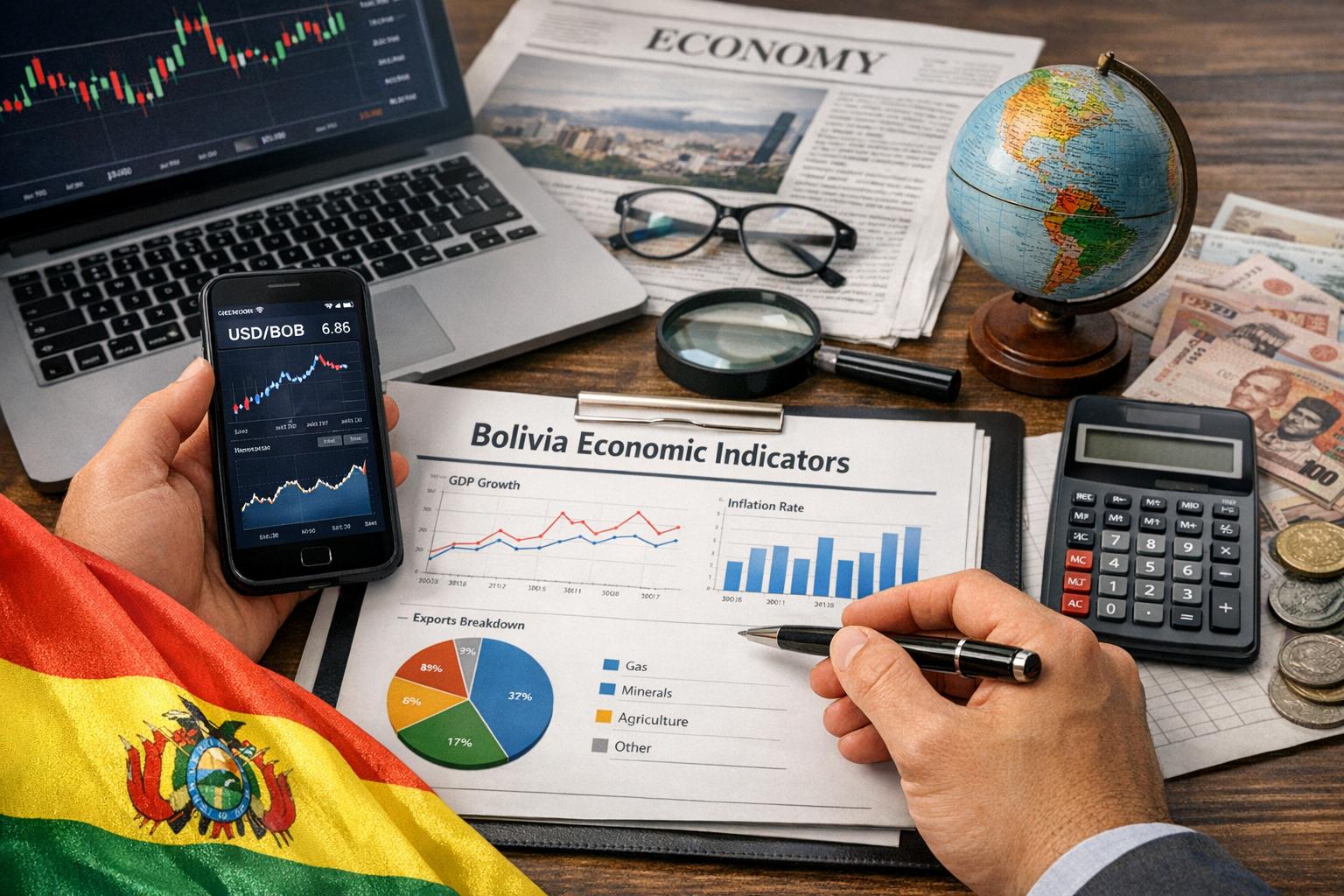
Understanding Economic Indicators in Bolivia




Economic indicators provide a structured way to evaluate the performance, stability, and future direction of a national economy. In the case of Bolivia, these indicators offer insight into a country that combines significant natural resource wealth with structural challenges and evolving policy frameworks. Observing how these indicators interact over time allows analysts, policymakers, and investors to interpret broader economic trends and anticipate potential shifts in growth, stability, and development.
Bolivia’s economy is influenced by a mix of external and internal factors, including commodity prices, fiscal policy decisions, demographic trends, and regional trade dynamics. A careful reading of core indicators makes it possible to move beyond surface-level observations and understand the mechanisms shaping economic outcomes.
Gross Domestic Product (GDP)
GDP remains the central measure of economic activity in Bolivia, capturing the total value of goods and services produced within the country. Bolivia’s GDP structure reflects a dependence on natural resources, particularly hydrocarbons and mining, alongside agriculture and a growing services sector. Changes in GDP can therefore often be linked to fluctuations in global commodity prices, especially natural gas exports, which have historically been a major source of state revenue.
In analyzing Bolivia’s GDP, it is important to distinguish between nominal and real GDP. Nominal GDP reflects current prices, while real GDP accounts for inflation, offering a clearer view of actual economic growth. Periods of rising real GDP suggest increased production and economic expansion, while stagnation or contraction may indicate structural or external constraints.
Sectoral contributions to GDP also provide important signals. For example, a shift from extractive industries toward services or manufacturing may indicate diversification, which can improve long-term stability. However, continued reliance on commodities can expose the economy to volatility tied to international demand.
Inflation Rate
The inflation rate in Bolivia plays a critical role in shaping purchasing power, investment decisions, and monetary policy. Inflation measures how quickly prices are rising across the economy, affecting households, businesses, and the government. Moderate inflation can be consistent with growth, but persistently high inflation undermines economic stability by reducing the real value of wages and savings.
Bolivia has historically maintained relatively controlled inflation compared to some other economies in the region. This has often been supported by government interventions, subsidies, and regulated pricing in certain sectors. While such measures can stabilize short-term price movements, they may also create distortions that affect long-term efficiency.
Monitoring inflation trends requires attention to both domestic and external drivers. Imported inflation, resulting from higher global prices for fuel or food, can significantly impact Bolivia due to its integration into regional trade networks. At the same time, domestic demand pressures, wage policies, and fiscal spending can contribute to rising prices.
Unemployment Rate
The unemployment rate provides insight into labor market conditions, but in Bolivia, it must be interpreted with caution. Official unemployment rates may appear relatively low, partly because a significant portion of the population works in the informal sector. Informal employment includes small-scale trading, agriculture, and self-employment, which may not offer stable income or social protections.
As a result, examining underemployment and labor informality is as important as looking at unemployment figures alone. A low unemployment rate does not necessarily indicate a strong labor market if a large share of workers are engaged in low-productivity or precarious activities.
Changes in unemployment over time can still signal shifts in economic conditions. Rising unemployment may reflect slowing economic growth or reduced investment, while declining unemployment can indicate expanding opportunities. However, for Bolivia, a broader labor market analysis provides a more accurate assessment of economic well-being.
Balance of Payments
The balance of payments records all financial transactions between Bolivia and the rest of the world, including trade in goods and services, income flows, and capital transfers. It is divided into the current account and the capital and financial account, each offering distinct insights into the country’s economic interactions.
Bolivia’s current account has historically been influenced by exports of natural gas and minerals. When global prices are favorable, export revenues increase, often resulting in a current account surplus. Conversely, declining commodity prices or reduced export volumes can lead to deficits, putting pressure on foreign exchange reserves.
The financial account reflects foreign investment, borrowing, and capital movements. Foreign direct investment in sectors such as energy and mining can support growth and infrastructure development, but also creates exposure to external conditions and investor sentiment.
Analyzing the balance of payments helps assess Bolivia’s external sustainability. Persistent deficits may indicate reliance on external financing, while surpluses can strengthen foreign reserves and provide a buffer against economic shocks.
Exchange Rate
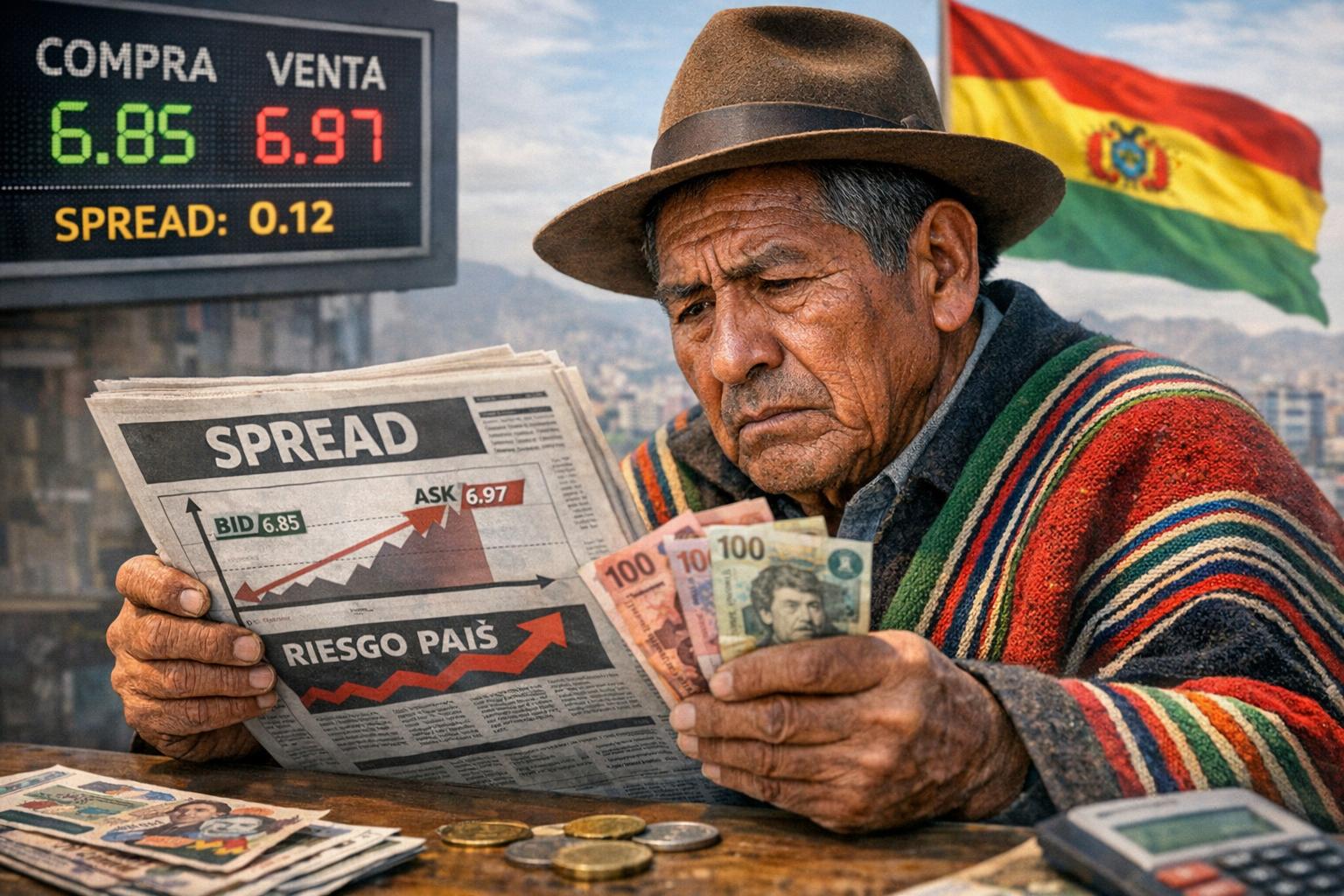
The exchange rate is a key variable affecting Bolivia’s competitiveness and macroeconomic stability. Bolivia has maintained a relatively stable exchange rate regime, with the national currency pegged within a controlled range. This stability reduces uncertainty for businesses and consumers, particularly in import-dependent sectors.
A stable exchange rate can help contain inflation by limiting the cost of imported goods. However, it may also reduce flexibility in responding to external shocks. If neighboring countries experience currency depreciation, Bolivian exports may become relatively more expensive, reducing competitiveness in regional markets.
Exchange rate policy also affects foreign reserves. Maintaining a fixed or managed rate requires sufficient reserves to defend the currency when needed. Declining reserves can signal potential pressures on the exchange rate system, prompting adjustments in policy.
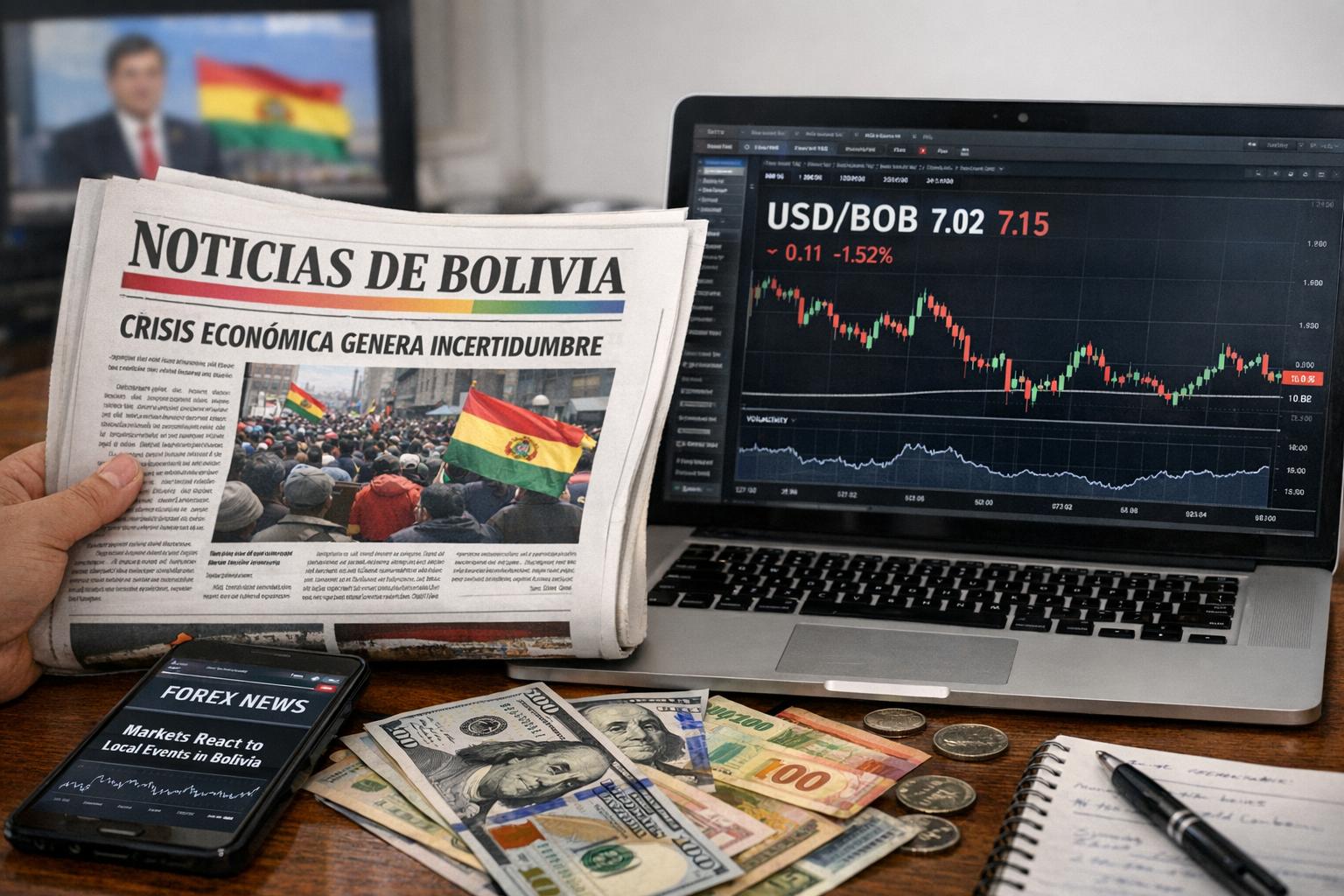
Understanding exchange rate dynamics involves considering both official policy and underlying market conditions, including trade flows, capital movements, and investor confidence.
Fiscal Policy
Bolivia’s fiscal policy reflects government decisions on taxation and public spending, which are central to economic management. Over the years, Bolivia has employed fiscal policy to promote social programs, infrastructure development, and economic redistribution. Public investment has played a notable role in supporting domestic demand and growth.
Government revenues are closely tied to natural resource exports, particularly hydrocarbons. During periods of high commodity prices, fiscal revenues tend to increase, allowing for expanded spending. However, when prices decline, fiscal deficits can emerge, requiring adjustments such as borrowing or spending reductions.
Fiscal deficits are not inherently problematic, especially when used to finance productive investments. However, sustained deficits can increase public debt and reduce fiscal flexibility over time. Monitoring fiscal balance, public debt levels, and the composition of spending provides a clearer view of fiscal sustainability.
Tax policy also shapes economic behavior. Changes in tax rates, enforcement, and structure can influence investment decisions, income distribution, and economic formalization. In Bolivia, efforts to broaden the tax base and improve compliance are ongoing components of fiscal management.
Interest Rates
Interest rates are a primary tool of monetary policy, influencing borrowing costs, savings behavior, and investment activity. In Bolivia, the central bank uses interest rates alongside other measures to manage inflation and support economic stability.
Lower interest rates generally encourage borrowing and investment, stimulating economic activity. Higher rates, on the other hand, can help contain inflation but may slow growth by increasing the cost of credit. The effectiveness of interest rate adjustments depends on the structure of the financial system and the responsiveness of banks and borrowers.
In Bolivia, the financial system includes both formal banking institutions and alternative credit sources. As a result, changes in official interest rates may not fully transmit to all sectors of the economy. Understanding the broader financial context is essential when interpreting the impact of monetary policy.
Interest rates also interact with exchange rate policy and capital flows. Higher rates can attract foreign investment, supporting currency stability, while lower rates may have the opposite effect. These interactions highlight the interconnected nature of economic indicators.
Tracking Economic Indicators
Tracking economic indicators in Bolivia requires access to reliable and timely data. Government institutions such as the central bank and national statistics agency provide official data on GDP, inflation, employment, and fiscal performance. International organizations and financial institutions offer additional perspectives, often including comparative analysis across countries.
Consistency and context are important when interpreting data. Single data points may not provide meaningful insights without considering trends over time. Seasonal variations, external shocks, and policy changes can all influence short-term fluctuations, making it necessary to adopt a medium- to long-term perspective.
It is also important to recognize limitations in data quality and coverage. In economies with significant informal sectors, such as Bolivia, certain activities may be underreported. Complementary indicators and qualitative analysis can help address these gaps.
A comprehensive approach to tracking economic indicators involves integrating multiple data sources and considering how different indicators interact. For example, rising GDP alongside increasing inflation and declining foreign reserves may signal underlying imbalances, even if headline growth appears strong.
Understanding these relationships enhances the ability to form informed assessments of economic conditions. For businesses, this can guide investment and operational decisions. For policymakers, it supports the design of effective interventions. For analysts and observers, it offers a structured framework for interpreting complex economic dynamics.
By examining GDP, inflation, employment, external accounts, exchange rates, fiscal policy, and interest rates together, a more complete picture of Bolivia’s economy emerges. Each indicator contributes a specific perspective, but their combined analysis provides deeper insight into both current conditions and future possibilities.
This article was last updated on: July 10, 2026