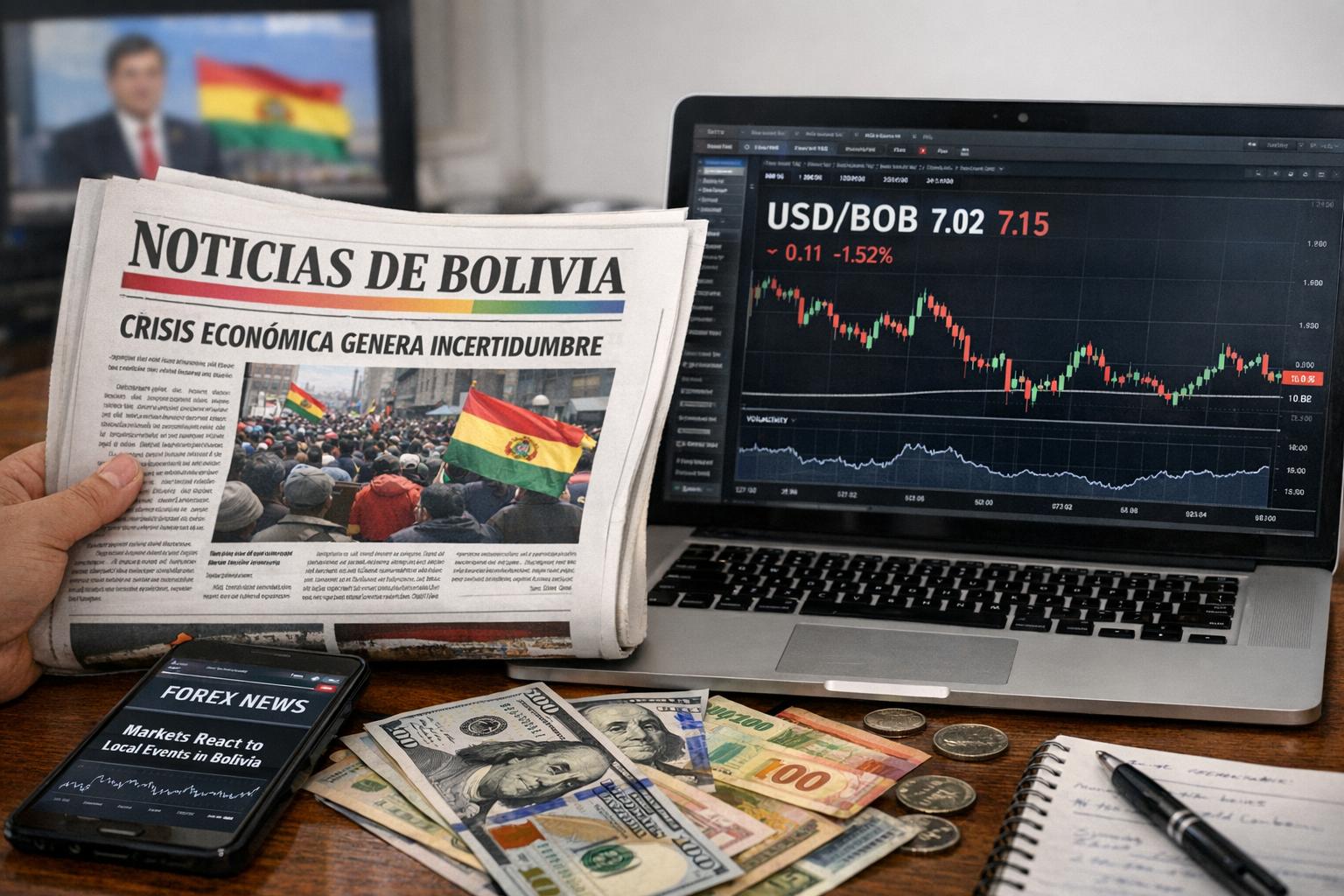
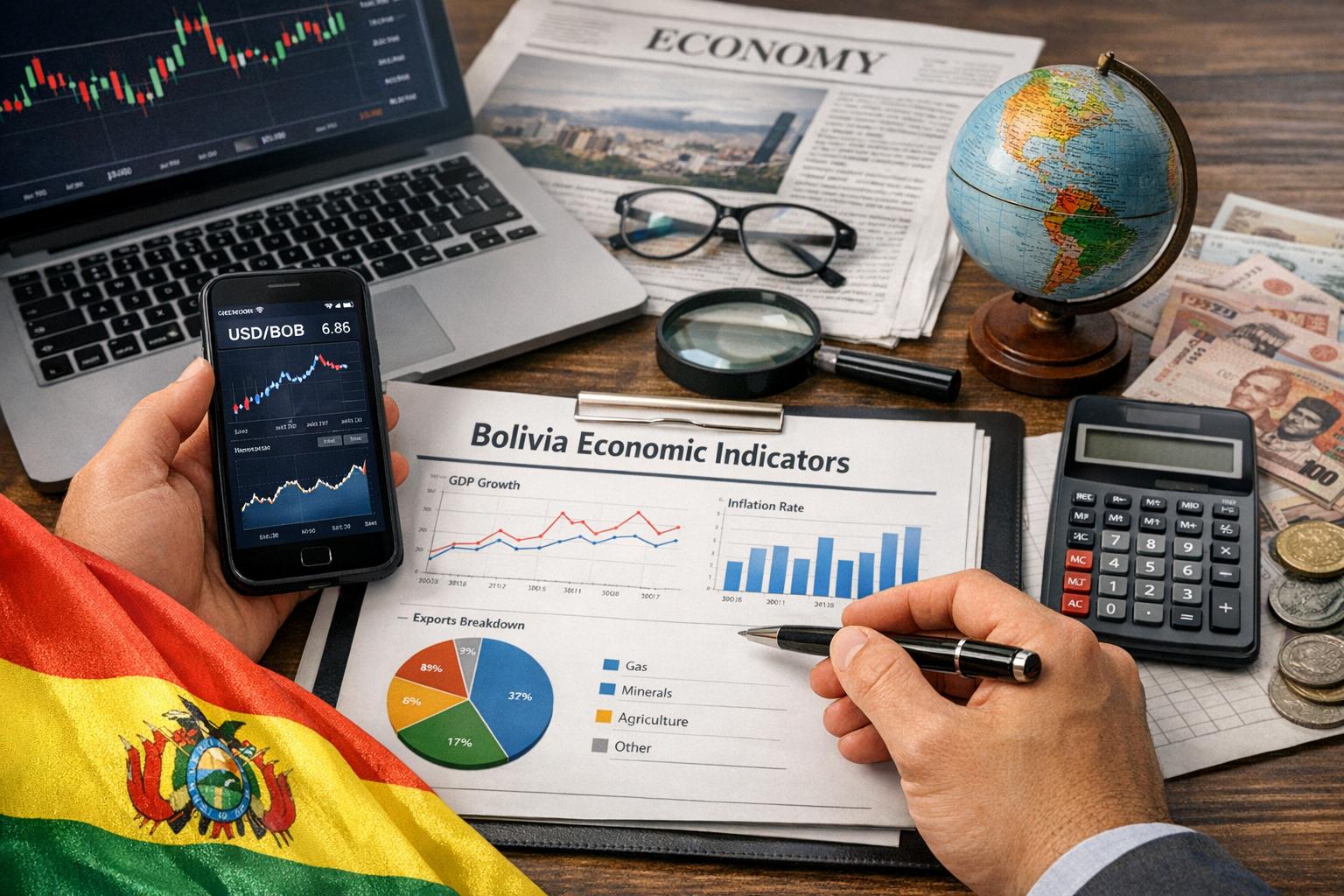
The Rise of Online Trading in Bolivia
The Growth of Online Trading Platforms in Bolivia



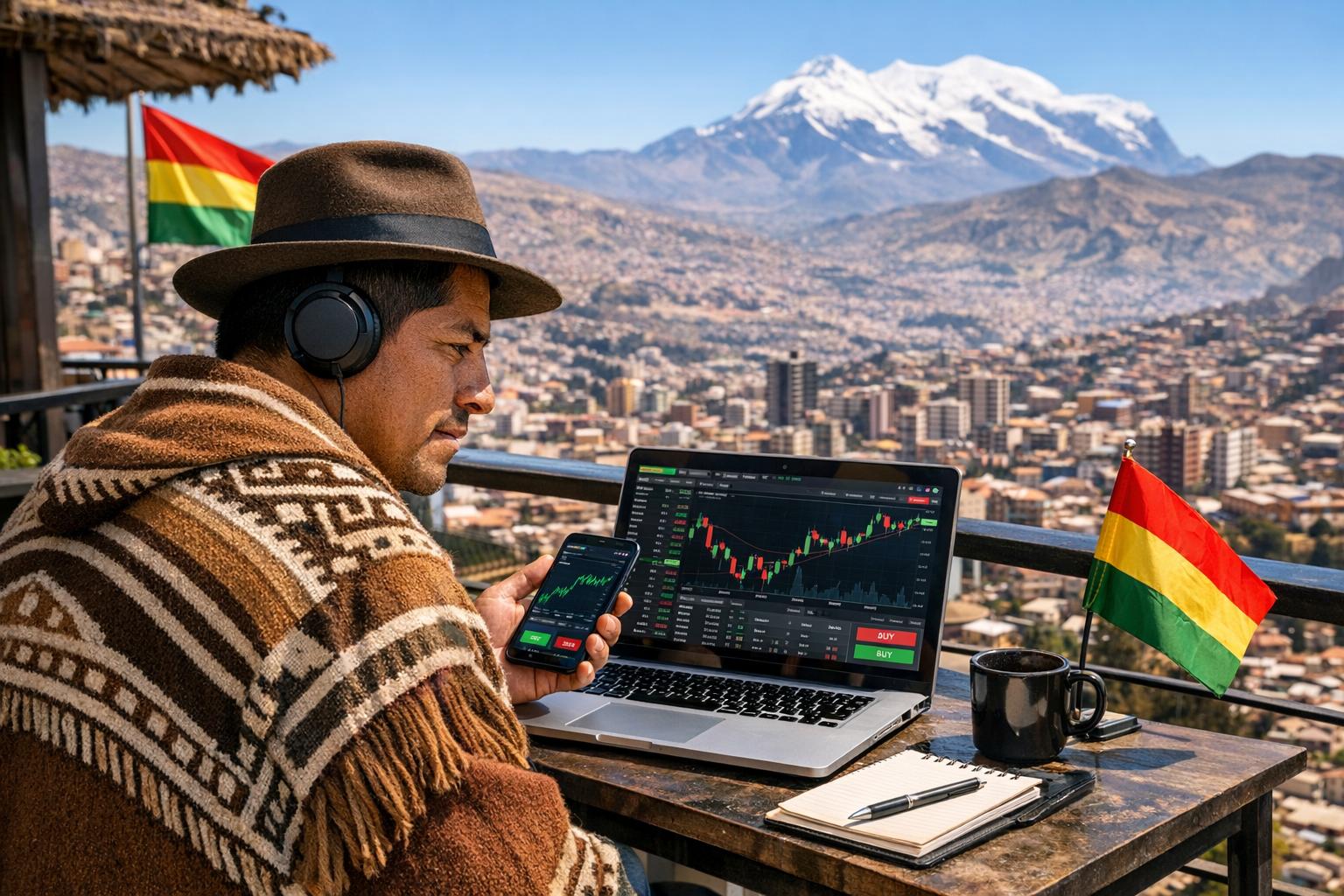
The expansion of online trading platforms in Bolivia reflects a broader pattern of digital adoption that has accelerated across Latin America in recent years. While Bolivia has historically faced structural challenges in infrastructure and financial inclusion, gradual improvements in connectivity and access to digital tools have created conditions that support the emergence of online trading as a viable activity for individuals. This development is not occurring in isolation; it is closely tied to wider shifts in how people engage with financial systems, acquire knowledge, and seek alternative sources of income or investment.
Online trading in Bolivia is no longer limited to a small group of specialists or finance professionals. It has moved into the mainstream of digital participation, with individuals from different regions and backgrounds exploring platforms that allow them to interact with global financial markets. These platforms offer access to instruments such as equities, commodities, foreign exchange pairs, and digital assets, enabling Bolivian users to engage with opportunities that were previously difficult to reach.
At the same time, the growth of this sector brings complexity. Participation in online trading requires not only access to technology but also a working understanding of financial concepts, risk exposure, and market behavior. As a result, the rise of trading platforms is closely linked to educational trends, regulatory developments, and evolving user expectations.
Internet Penetration Fuels Trading Activities
The steady increase in internet penetration has been one of the most significant enablers of online trading in Bolivia. Over the past decade, infrastructure investments and the expansion of telecommunications networks have improved connectivity in both urban and semi-urban areas. Although disparities still exist between regions, a growing portion of the population now has reliable access to the internet.
This expanded access has changed how people interact with digital services. What began with communication and social media has gradually extended into financial activities, including digital banking, electronic payments, and eventually online trading. Individuals who were once excluded from traditional financial ecosystems are now able to explore alternative pathways through online platforms.
The availability of affordable data plans and wider smartphone usage has also contributed to this trend. Users can access trading applications, follow market updates, and execute transactions without the need for traditional desktop setups. This convenience lowers the barrier to entry and allows individuals to experiment with trading even if they do not have extensive prior experience.
However, increased access does not automatically translate into informed participation. As more users enter the space, there is a parallel need to ensure that they understand the implications of their actions. Internet penetration creates opportunity, but it also requires responsible engagement supported by accurate information and practical knowledge.
Platforms Catalyzing the Trading Boom
The presence of international trading platforms has played a central role in shaping Bolivia’s online trading landscape. These platforms typically operate across multiple jurisdictions and provide standardized interfaces that are accessible to users regardless of location. By entering the Bolivian market, either directly or through regional outreach, they have introduced tools and resources that were previously unavailable to local participants.
Key features such as real-time data, analytical tools, and demo accounts have made it easier for users to understand market movements and test strategies. Many platforms also offer localized language options and customer support, which helps reduce entry barriers for Spanish-speaking users in Bolivia. This localization effort contributes to a smoother onboarding process and encourages continued engagement.
Another factor driving adoption is the diversity of financial instruments available on these platforms. Users are not limited to domestic markets; they can explore international equities, currency pairs, commodities, and cryptocurrencies. This broad exposure appeals to individuals who are interested in diversifying their activities or exploring global economic trends.
At the same time, competition among platforms has led to continuous improvements in user experience. Interfaces have become more intuitive, onboarding processes more streamlined, and transaction execution faster. These changes reduce friction and make it easier for individuals to begin trading with minimal setup.
Despite these advantages, the reliance on global platforms introduces certain considerations. Users must navigate differences in regulatory oversight, platform policies, and fee structures. Understanding these elements is important for making informed decisions about where and how to trade.
Increased Interest in Financial Education
As online trading becomes more accessible, there has been a noticeable rise in interest in financial education in Bolivia. Individuals entering the trading space often recognize the need to understand key concepts such as market volatility, leverage, asset allocation, and risk management. This awareness has contributed to a gradual shift toward structured learning.
Educational resources are now available through multiple channels. Online courses, webinars, and video tutorials provide flexible options for users who want to learn at their own pace. Some trading platforms integrate educational content directly into their systems, offering guides, simulations, and explanatory materials that align with platform features.
In addition to digital resources, local initiatives have begun to emerge. Workshops and seminars organized by financial educators, universities, and independent groups provide opportunities for in-person learning and discussion. These events often focus on practical aspects of trading, including strategy development and risk assessment.
Social media and online communities also play a role in shaping learning patterns. Users share experiences, discuss market trends, and exchange strategies in forums and groups. While these interactions can be informative, they also carry the risk of spreading misinformation or unverified advice. As a result, individuals must evaluate sources carefully and distinguish between credible information and speculation.
The emphasis on education reflects a broader understanding that access alone is not sufficient. Sustainable participation in online trading requires a foundation of knowledge that enables users to interpret data, assess risks, and make decisions based on analysis rather than impulse.
Regulatory Environment
The regulatory environment surrounding online trading in Bolivia remains in a state of gradual development. Authorities have shown an awareness of the potential benefits associated with digital financial technologies, including increased access to financial services and integration into global markets. At the same time, they approach the sector with caution due to the risks it presents.
Regulatory measures are primarily focused on protecting users from fraud, ensuring transparency in financial transactions, and maintaining overall financial stability. This includes monitoring platforms that operate within or target Bolivian users, as well as issuing guidance on the use of certain financial instruments.
One of the challenges in regulation is the cross-border nature of online trading platforms. Many of these services are headquartered outside Bolivia, which complicates enforcement and oversight. As a result, regulators must balance the need for control with the practical limitations of jurisdiction.
Efforts to strengthen regulatory frameworks are ongoing. These may include clearer guidelines for platform operation, enhanced consumer protection measures, and increased collaboration with international regulatory bodies. The aim is to create an environment that encourages innovation while minimizing risks for participants.
For users, the regulatory landscape underscores the importance of due diligence. Verifying the credibility of a platform, understanding applicable regulations, and being aware of potential risks are essential steps before engaging in trading activities.
The Role of Mobile Technology
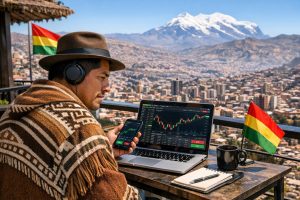
Mobile technology has been a decisive factor in the growth of online trading in Bolivia. The widespread adoption of smartphones has transformed how individuals access digital services, including financial platforms. Mobile applications provided by trading platforms allow users to participate in markets without being tied to a fixed location.
This mobility introduces a higher level of flexibility. Users can monitor price movements, receive notifications, and execute trades in real time. The immediacy of mobile access aligns with the fast-paced nature of financial markets, where timing can influence outcomes.
The design of mobile applications has also evolved to accommodate a broader user base. Interfaces are simplified, navigation is streamlined, and key functions are made easily accessible. These design elements help users interact with complex financial tools in a more manageable way.
Mobile access also supports the integration of additional features such as biometric authentication, push notifications, and real-time alerts. These capabilities enhance both security and user engagement, contributing to a more responsive trading experience.
However, the convenience of mobile trading can also encourage frequent or impulsive activity. Easy access may lead some users to make decisions without sufficient analysis. This highlights the importance of maintaining disciplined approaches and using available tools responsibly.
Future Prospects
The future of online trading in Bolivia appears to be shaped by a combination of technological progress, educational development, and regulatory refinement. As internet access continues to expand and mobile technology becomes even more integrated into daily life, participation in digital financial activities is likely to increase.
Further improvements in infrastructure may reduce existing disparities between regions, allowing more individuals to engage with online platforms. At the same time, advancements in platform design and functionality are expected to enhance user experience and broaden the range of available financial instruments.
Financial education will remain a central factor in determining how this growth unfolds. As more users enter the market, the demand for reliable information and structured learning will continue to rise. Institutions, educators, and platforms will play a role in meeting this demand and supporting informed participation.
Regulatory developments will also influence the trajectory of the sector. Clearer frameworks and stronger oversight mechanisms can contribute to a more stable and trustworthy environment. This, in turn, may encourage greater participation from individuals who are currently cautious about engaging in online trading.
In the longer term, online trading may become more closely integrated with other aspects of Bolivia’s financial ecosystem. Connections with digital banking, payment systems, and investment services could create a more cohesive environment in which users can manage different financial activities through interconnected platforms.
Overall, the expansion of online trading platforms in Bolivia represents a significant shift in how individuals access and interact with financial markets. While opportunities are increasing, the sustainability of this growth depends on the continued alignment of technology, education, and regulation.
This article was last updated on: June 5, 2026