How Social Media Influences Forex Trading in Bolivia
The Rise of Social Media in Forex Trading


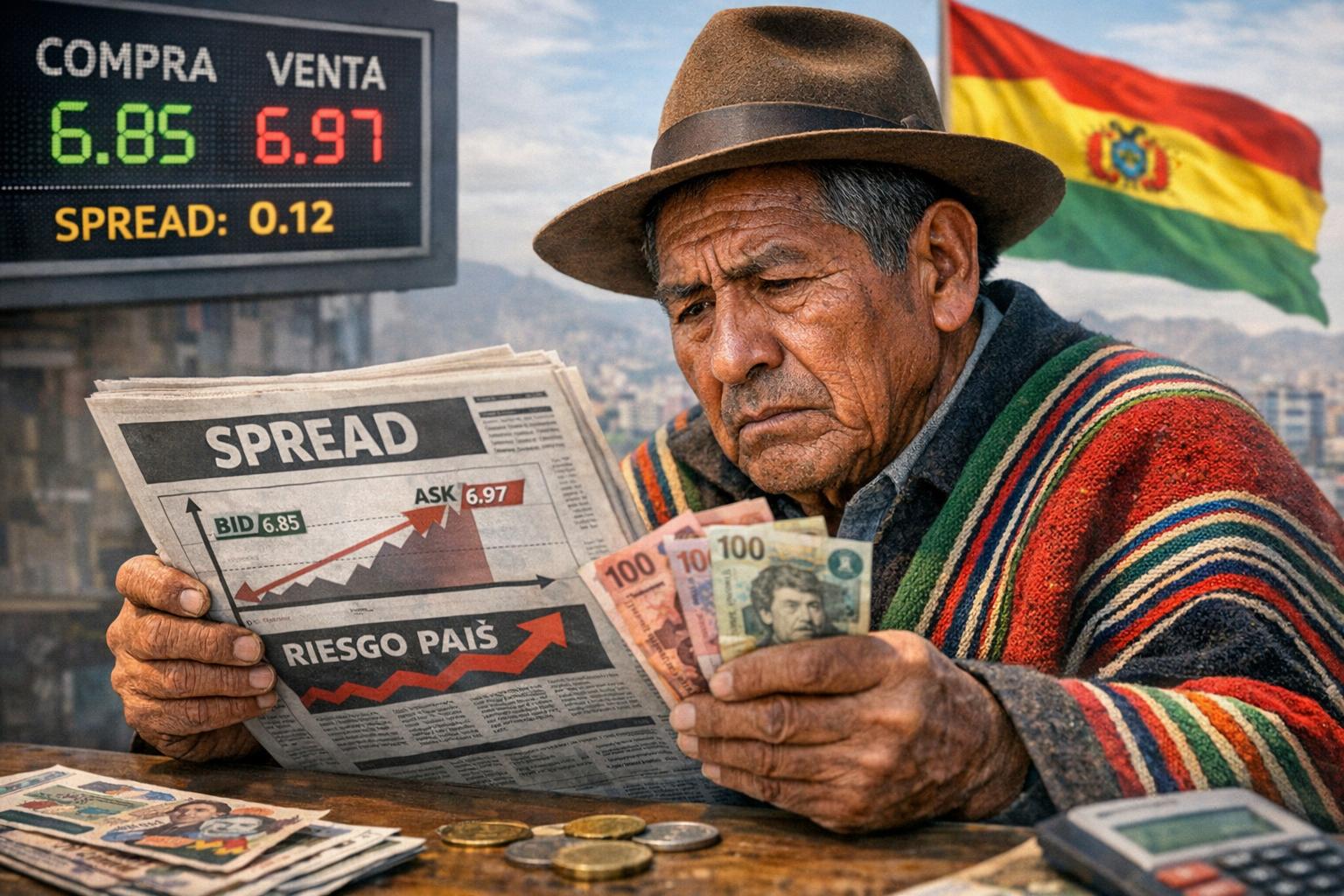
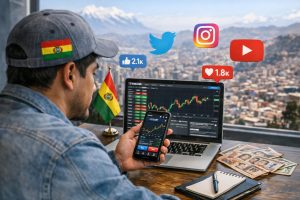
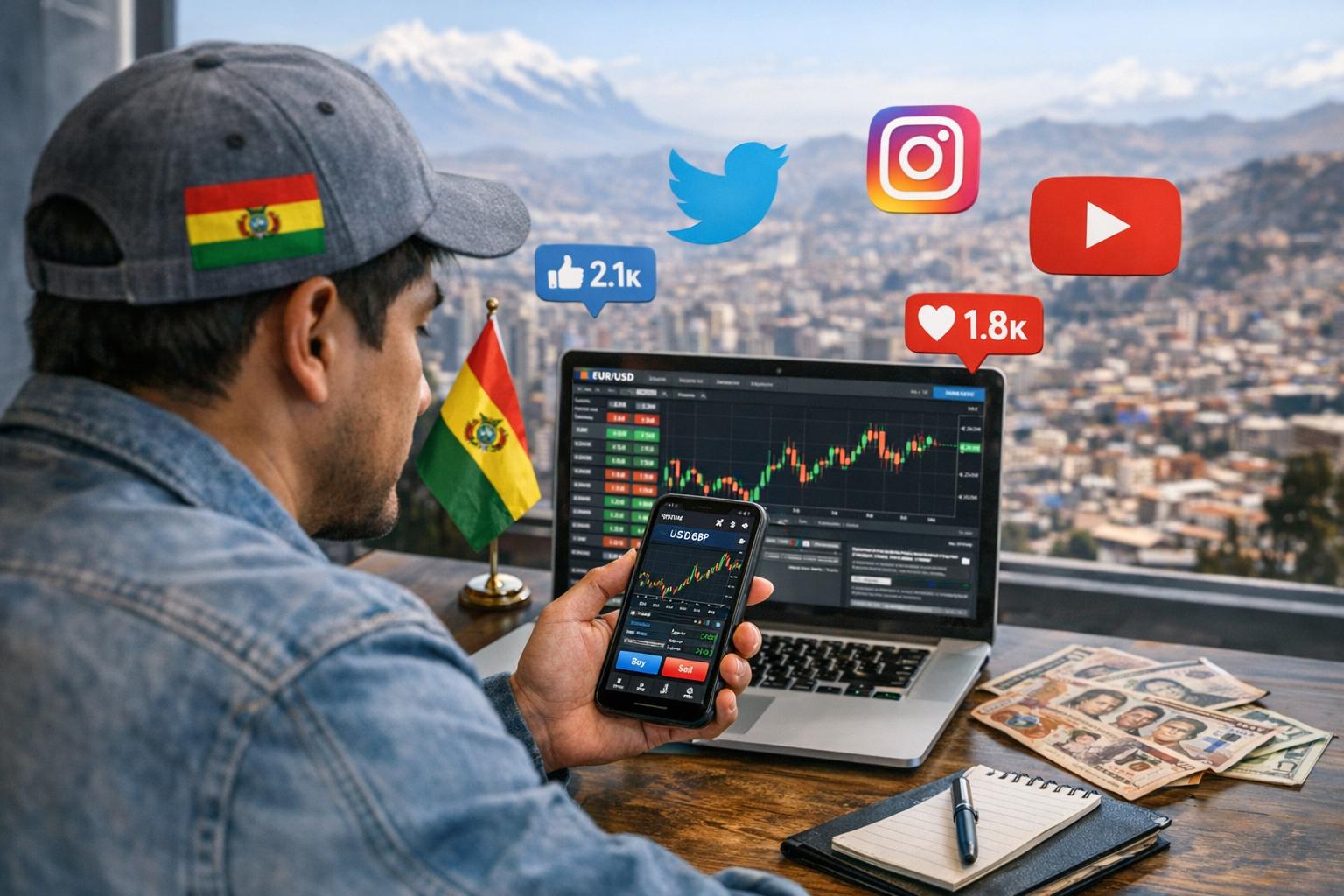
Social media has increasingly become a central component in the evolution of foreign exchange (Forex) trading, extending its influence to emerging and developing markets such as Bolivia. The rapid adoption of mobile internet, combined with the widespread use of platforms like Facebook, Twitter, Instagram, YouTube, and Telegram, has transformed how individuals access financial information and participate in global markets. Forex trading, once largely confined to institutional players and highly specialized professionals, is now accessible to a broader segment of the population, partly due to the communicative power of these platforms.
In Bolivia, where traditional financial education and infrastructure may not be as extensive as in more developed economies, social media plays a particularly important role. It functions not only as a communication tool but also as a gateway to financial knowledge, trading techniques, and real-time data. This shift has introduced new opportunities for individuals seeking alternative income streams, while simultaneously raising questions about reliability, regulation, and the long-term sustainability of social-driven trading behavior.
The Impact on Market Accessibility
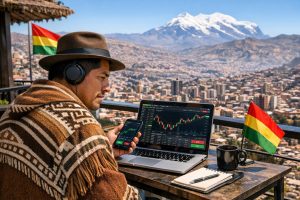
One of the most significant contributions of social media to Forex trading in Bolivia is the expansion of market accessibility. Previously, participation in Forex markets required access to specialized brokers, technical knowledge, and often substantial capital. Today, individuals with a smartphone and internet connection can access trading platforms, join online trading communities, and follow experienced traders from around the world.
This increased accessibility has lowered barriers to entry and diversified the demographic profile of traders. Younger individuals, freelancers, and small business owners in Bolivia are increasingly exploring Forex trading as a supplementary financial activity. Social media platforms act as intermediaries, guiding users toward brokers, tools, and resources that enable them to begin trading with relatively low initial investment.
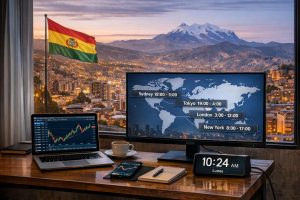
In addition, social media allows Bolivian traders to observe and interact with global markets in real time. Time zone differences and geographical isolation are no longer significant constraints. Traders can monitor currency pairs, follow international economic developments, and participate in discussions alongside traders from Europe, Asia, and North America. This level of integration reinforces the idea that Forex trading is a global activity accessible from virtually any location.
Social Media as an Educational Tool
Education is a fundamental requirement for successful Forex trading, and social media has emerged as an informal yet widely utilized educational ecosystem. Many Bolivian traders rely on freely available content shared by influencers, analysts, and experienced traders. These include educational videos, market analysis, webinars, and step-by-step tutorials that cover topics such as technical indicators, risk management, and trading psychology.
Facebook groups and Telegram channels are among the most commonly used platforms for educational purposes. These spaces often contain archived materials, daily market insights, and interactive discussions that allow users to ask questions and receive feedback. Unlike traditional financial education, which may require formal enrollment or fees, social media learning is immediate and adaptable to individual schedules.
However, the quality of educational content varies significantly. Some creators provide structured and accurate information, while others may oversimplify complex concepts or promote unrealistic expectations. As a result, traders in Bolivia must develop critical evaluation skills to distinguish credible sources from misleading ones. The absence of standardized curricula or oversight makes self-discipline and verification essential components of the learning process.
Real-Time News and Its Effects
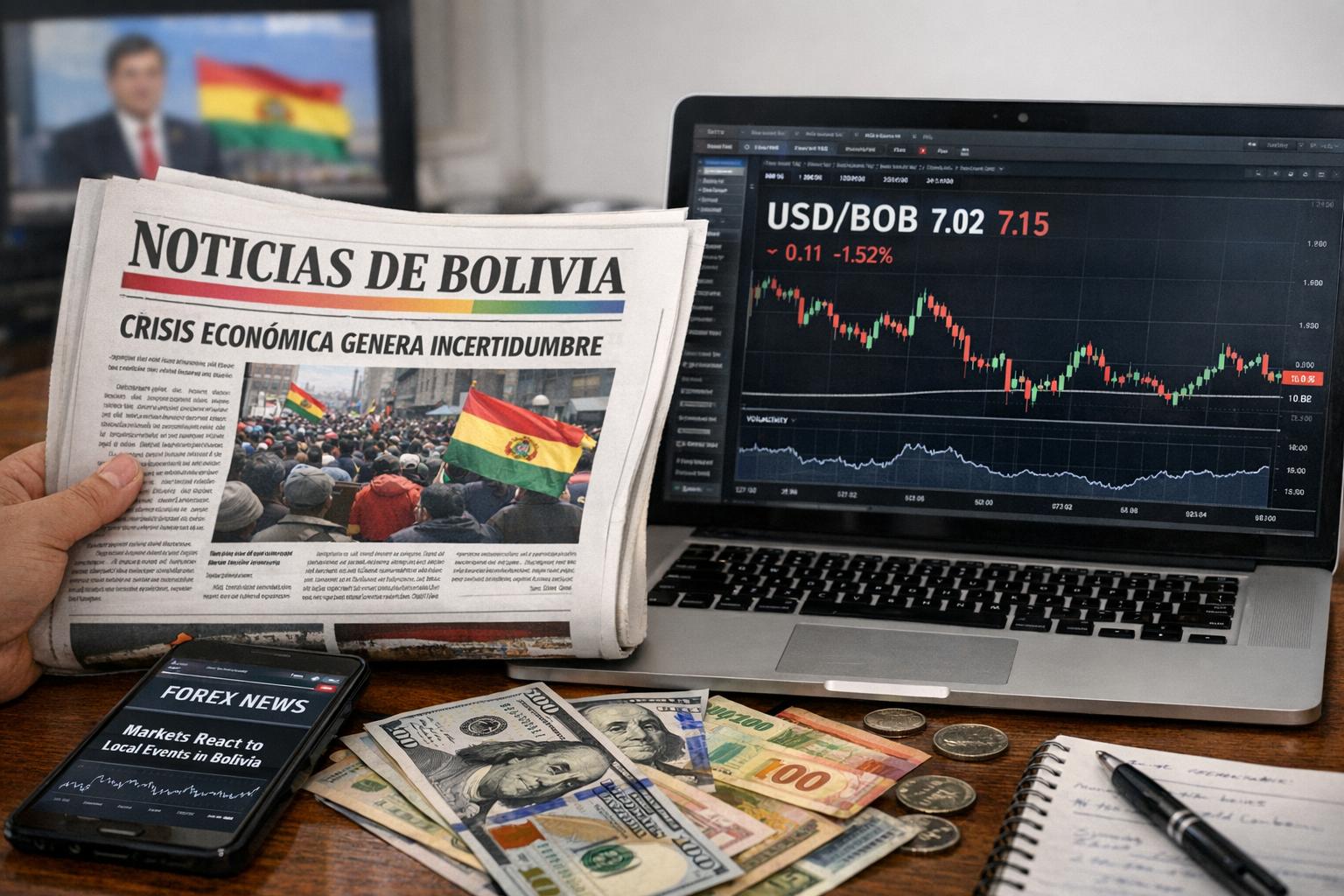
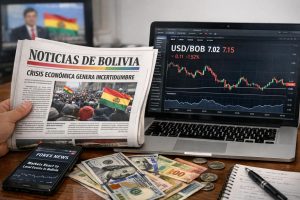
The Forex market is highly sensitive to news and economic events, and social media has accelerated the speed at which such information circulates. Platforms like Twitter and Telegram are particularly influential in disseminating real-time news, including central bank announcements, geopolitical developments, and macroeconomic indicators.
In Bolivia, where access to traditional financial news services may be limited or delayed, social media provides immediate updates that can influence trading decisions. Traders monitor key accounts, news aggregators, and signal groups to stay informed about events that may affect currency volatility. This immediacy enhances responsiveness but also increases the likelihood of reacting to incomplete or unverified information.
The rapid spread of information can lead to synchronized trading behavior, where large groups of traders act on the same signals or interpretations simultaneously. While this can occasionally amplify market opportunities, it can also contribute to short-term volatility and increase the risk of losses for those who enter trades without sufficient analysis.
The Role of Trading Signals
Trading signals are among the most widely consumed types of content on social media platforms related to Forex. These signals typically provide specific instructions on when to buy or sell a currency pair, often including entry points, stop-loss levels, and take-profit targets. In Bolivia, many traders subscribe to signal providers through Telegram channels or private groups, sometimes paying subscription fees for access.
For beginners, trading signals can serve as a practical introduction to market participation, offering guidance that reduces the need for immediate independent analysis. They can also save time for traders who are unable to monitor markets continuously. However, the reliance on signals introduces several challenges.
Firstly, the credibility of signal providers is not always verifiable. While some operate with transparency and maintain track records, others may exaggerate performance or omit losses. Secondly, signals do not account for individual risk tolerance or account size, which can lead to inappropriate trade sizing and increased exposure. Finally, overreliance on signals may hinder the development of independent trading skills, limiting long-term growth and adaptability.
As a result, traders in Bolivia are increasingly encouraged to use signals as supplementary tools rather than primary decision-making mechanisms. Combining signals with personal analysis and risk management strategies is generally considered a more sustainable approach.
Networking and Community Support
Social media has also facilitated the creation of Forex trading communities that extend beyond geographical boundaries. These communities provide spaces for discussion, collaboration, and knowledge exchange. For Bolivian traders, who may have limited access to local trading networks, online communities serve as valuable support systems.
Within these groups, traders share market insights, discuss strategies, and analyze past trades. The collective nature of these interactions can enhance understanding by exposing individuals to diverse perspectives. In addition, community members often share tools, indicators, and resources that may not be readily available through formal channels.
Peer support is another important aspect of these communities. Trading can be an isolated activity, particularly for individuals working independently. Social media groups help reduce this isolation by creating a sense of participation and shared experience. Traders can discuss challenges, seek advice, and learn from the successes and mistakes of others.
However, community dynamics can also introduce biases. Popular opinions or dominant voices within a group may influence decision-making, sometimes overriding individual analysis. This can lead to herd behavior, where traders follow group consensus rather than conducting independent evaluations.
Influence on Trading Psychology
The psychological dimension of Forex trading is significantly affected by social media interactions. Exposure to the successes of other traders, often presented in a highly curated manner, can shape expectations and emotional responses. In Bolivia, as elsewhere, traders may encounter posts highlighting large profits, rapid account growth, or lifestyle changes associated with trading success.
This type of content can create pressure to achieve similar results, potentially leading to impatience or overconfidence. Conversely, exposure to losses or negative experiences shared within communities can generate fear or hesitation. The constant flow of opinions and performance updates can make it difficult for traders to maintain a consistent and disciplined approach.
Validation-seeking behavior is another common effect. Traders may look to social media for confirmation before executing trades, which can delay decision-making or introduce conflicting signals. While external input can be valuable, excessive reliance on it may weaken individual judgment.
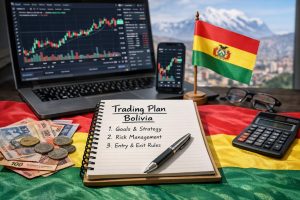
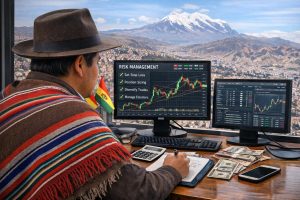
Maintaining psychological independence becomes increasingly important in this environment. Traders benefit from establishing clear strategies and risk management rules that are not easily influenced by external noise. Awareness of how social media affects emotions and behavior is a key component of long-term trading stability.
Regulatory Concerns
The growing intersection between social media and Forex trading presents regulatory challenges in Bolivia. Financial authorities aim to protect individuals from fraud, misleading information, and unauthorized financial services. However, the decentralized and often anonymous nature of social media makes enforcement complex.
Some signal providers, influencers, and educators operate without formal oversight, which can lead to the انتشار of inaccurate or intentionally deceptive content. In certain cases, schemes promising guaranteed returns or low-risk profits are promoted through social media channels, targeting inexperienced traders.
Bolivian regulators face the task of balancing innovation and accessibility with consumer protection. Efforts may include public awareness campaigns, guidelines for online financial promotion, and collaboration with international regulatory bodies. At the same time, individual traders bear responsibility for evaluating the legitimacy of the sources they follow.
Practical measures such as verifying credentials, avoiding unrealistic promises, and understanding the risks associated with Forex trading are essential safeguards. While regulation can mitigate some risks, it cannot fully eliminate the need for personal due diligence.
Conclusion
The integration of social media into Forex trading has reshaped how individuals in Bolivia 접근 financial markets. It has expanded access, provided educational resources, and enabled real-time engagement with global financial developments. These advantages have contributed to the growing participation of Bolivian traders in the Forex market.
At the same time, the reliance on social media introduces complexities related to information quality, psychological influence, and regulatory oversight. The open nature of these platforms allows for both valuable insights and misleading content to coexist, requiring traders to adopt a balanced and analytical approach.
As social media continues to evolve, its role in Forex trading is likely to become even more pronounced. For Bolivian traders, the effective use of these platforms depends on combining accessibility with critical thinking, community engagement with independent analysis, and opportunity with caution.
This article was last updated on: June 12, 2026