How to Avoid Forex Scams in Bolivia
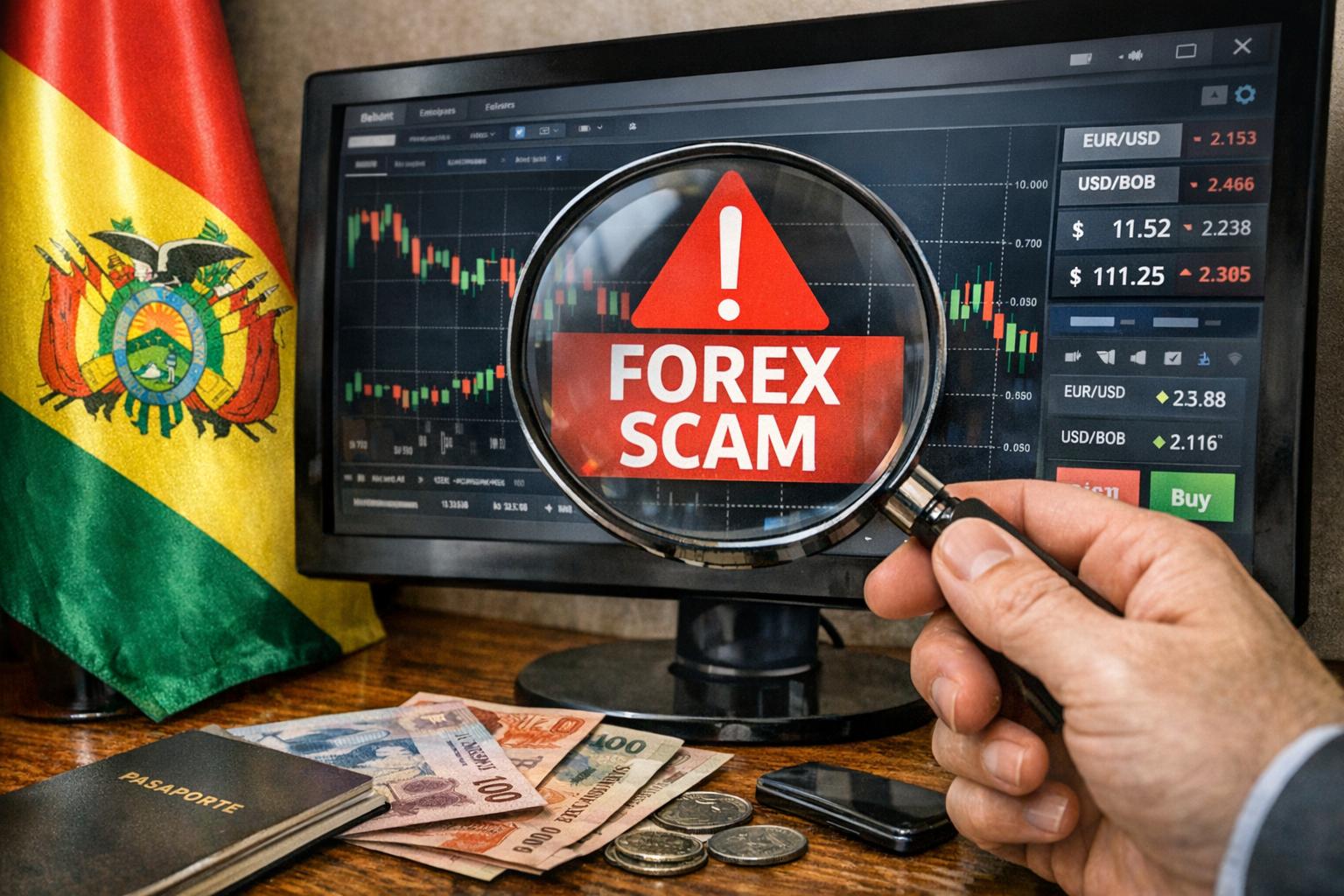
Understanding Forex Scams


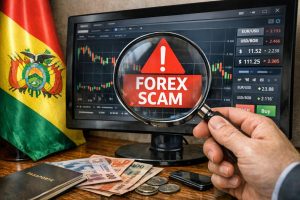
Foreign exchange trading, commonly referred to as forex, involves the buying and selling of currencies in a global decentralized market. It is often promoted as an accessible way for individuals to participate in international finance and potentially generate profits. However, the same characteristics that make forex appealing—high liquidity, constant market activity, and relatively low barriers to entry—also make it susceptible to fraudulent schemes. In countries with developing regulatory systems, including Bolivia, the risk can be higher due to limited oversight and lower public awareness of financial scams.
Forex scams typically exploit a lack of knowledge. Fraudsters craft persuasive narratives that make trading appear simple and consistently profitable. They may use technical jargon, fabricated data, or manipulated testimonials to create an illusion of credibility. Many scams are conducted online, allowing perpetrators to reach a wide audience while remaining difficult to trace. Understanding how these schemes operate is a necessary first step in protecting personal finances.
In many cases, scammers present themselves as brokers, asset managers, or trading educators. They may claim to have proprietary trading systems or insider knowledge that guarantees success. The reality is that the forex market is inherently unpredictable, influenced by a wide range of economic, political, and psychological factors. Any claim of certainty or consistent high returns should be treated with caution.
Recognizing Warning Signs
Identifying a forex scam often depends on recognizing patterns in how fraudulent operations are presented. While each scheme may vary in structure, many share common traits that can serve as early warning signals.
Promise of High Returns with Minimal Risk: One of the most frequently used tactics is the promise of unusually high returns combined with assurances of low or no risk. Legitimate forex trading involves risk as a fundamental component. Even experienced traders incur losses. Claims of guaranteed profits contradict the basic principles of financial markets and are a strong indicator of deception.
Unregistered Brokers: A legitimate broker operates under the supervision of a recognized financial authority. In Bolivia, this responsibility falls to the Autoridad de Supervisión del Sistema Financiero (ASFI). Fraudulent brokers may claim to be registered while providing false or unverifiable credentials. Some operate entirely without authorization. Engaging with such entities significantly increases the risk of financial loss, as there is little to no legal recourse.
Pressure to Invest Quickly: Scammers often attempt to create urgency. They may present limited-time opportunities or claim that a particular investment window is closing rapidly. This tactic is designed to prevent careful evaluation and encourage impulsive decisions. Legitimate financial opportunities do not require immediate commitment without due diligence.
Lack of Transparency: Transparency is a hallmark of legitimate financial operations. Brokers should be able to clearly explain their services, fee structures, and trading conditions. When an entity avoids providing clear information or responds vaguely to direct questions, it may be attempting to conceal fraudulent practices. A lack of accessible documentation is another indicator of potential risk.
Beyond these primary signs, other subtle indicators may arise. For instance, websites that appear poorly maintained, inconsistencies in communication, or overly scripted interactions can all signal potential issues. Fraudsters often rely on confidence rather than substance, focusing on persuasion rather than verifiable facts.
Government Regulations and Legal Protections
The regulatory environment plays a central role in reducing the prevalence of forex scams. In Bolivia, the Autoridad de Supervisión del Sistema Financiero (ASFI) is tasked with overseeing financial institutions and ensuring compliance with national laws. Its function includes monitoring authorized brokers, issuing warnings about suspicious activities, and protecting consumers from financial misconduct.
Regulation serves multiple purposes. It establishes standards for financial operations, enforces transparency, and provides a framework for accountability. Brokers operating under regulatory supervision must adhere to specific requirements, such as maintaining adequate capital reserves, segregating client funds, and submitting to regular audits. These measures reduce the likelihood of misuse of funds and increase the overall stability of the financial system.
However, the presence of regulation does not eliminate all risks. Some fraudulent entities falsely claim to be regulated or operate from jurisdictions with limited oversight. It is therefore essential for individuals to independently verify any claims of authorization. Checking official records and confirming broker registration directly with ASFI can help prevent exposure to unauthorized operators.
ASFI may periodically publish alerts regarding known scams or unlicensed entities. These announcements provide valuable insight into current threats and can help individuals avoid known fraudulent schemes. Staying informed about such warnings is an important aspect of financial awareness.
Legal protections exist, but their effectiveness depends on whether the broker in question falls within the jurisdiction of Bolivian authorities. If funds are transferred to an unregulated foreign entity, recovering those funds can be extremely difficult. This highlights the importance of engaging only with properly registered and verifiable brokers.
Practical Steps to Avoid Forex Scams
Preventing financial loss requires a methodical approach to evaluating any forex-related opportunity. Rather than relying on promotional material or personal recommendations alone, individuals should adopt a critical perspective and verify all relevant information.
Thorough Research: Before opening an account or transferring funds, it is necessary to conduct comprehensive research on the broker or platform. This includes reviewing their operational history, examining independent user feedback, and identifying any past regulatory actions. Consistent negative reports or unresolved complaints should be treated as significant warning signs. While online reviews can vary in reliability, patterns of behavior often emerge that can inform decision-making.
Check Licensing: Verifying the broker’s licensing status is a fundamental step. This involves confirming that the entity is recognized by ASFI or another reputable regulatory authority. It is not sufficient to rely on claims presented on a website; independent verification through official channels is required. A broker that cannot be confirmed through these channels should not be trusted with financial transactions.
Request Documentation: Legitimate brokers provide clear and comprehensive documentation outlining their terms of service, fee structures, and trading conditions. This information should be accessible before any financial commitment is made. Documents should be written in a clear and understandable manner, without excessive ambiguity. If the broker hesitates to provide documentation or delivers incomplete information, it indicates a lack of transparency.
Consult Financial Experts: Individuals who lack experience in forex trading may benefit from consulting a qualified financial advisor. An objective third party can assess the legitimacy of an opportunity and provide guidance based on established financial principles. This step is particularly useful when evaluating complex investment offers or unfamiliar trading systems.
In addition to these measures, it is advisable to start with small investments when testing a new platform. This allows for an evaluation of withdrawal processes and overall reliability without exposing significant funds. Difficulty in withdrawing funds is a common characteristic of fraudulent platforms.
Another practical safeguard is maintaining control over personal financial information. Scammers may request access to sensitive data under the pretense of facilitating trades. Providing such access can result in unauthorized transactions or identity theft. Financial interactions should always remain within secure and verifiable systems.
Education also plays a significant role in prevention. Understanding how forex markets function, including the factors that influence currency movements, reduces susceptibility to misleading claims. Knowledge creates a basis for evaluating whether an offer is realistic or exaggerated.
Conclusion
Avoiding forex scams in Bolivia requires consistent attention to detail, critical evaluation of opportunities, and awareness of the regulatory environment. Fraudulent schemes rely heavily on misinformation and urgency, both of which can be mitigated through careful research and verification. Recognizing warning signs such as guaranteed returns, lack of transparency, and unregistered brokers provides a strong foundation for identifying potential scams.
The role of regulatory bodies such as ASFI is central in maintaining financial order and providing consumer protection. However, individual responsibility remains a key component of risk management. Verifying broker credentials, reviewing documentation, and seeking professional advice contribute to more informed decision-making.
Forex trading itself is not inherently fraudulent, but the presence of scams within the industry necessitates a cautious approach. By combining regulatory awareness with practical safeguards, individuals can participate in forex markets while minimizing exposure to fraudulent activities.
This article was last updated on: May 29, 2026