What is the Spread and How Does It Affect Bolivians?

Understanding the Concept of Spread




In financial markets, the spread represents a fundamental concept used to measure the difference between two prices, rates, or yields. Most commonly, it refers to the gap between the price at which a participant can buy an asset and the price at which it can be sold at a given moment. Although this difference may appear small, especially in highly liquid markets, it plays a central role in determining trading costs, market efficiency, and overall investor behavior.
The spread is usually expressed in price terms or in basis points, particularly in fixed income markets. A basis point equals one-hundredth of a percentage point, and it is used to provide precision when discussing small differences in rates or yields. For instance, a yield spread of 50 basis points corresponds to a difference of 0.50%.
Beyond its definition, the spread functions as an indicator of market conditions. Narrow spreads typically suggest a competitive, liquid, and efficient market where buyers and sellers can transact with minimal cost. In contrast, wide spreads often indicate uncertainty, lower trading activity, or higher perceived risk. As such, spreads are closely monitored by traders, institutional investors, and policymakers alike.
Types of Spread
The concept of spread appears in multiple areas of finance, each with distinct interpretations and uses. While the underlying idea remains consistent, the application varies depending on the asset class or trading strategy involved.
Bid-Ask Spread is the most widely recognized form. It represents the difference between the highest price a buyer is willing to pay (the bid) and the lowest price a seller is willing to accept (the ask). For example, if a stock has a bid price of 10 and an ask price of 10.05, the spread is 0.05. This difference reflects the immediate cost of executing a transaction. Market makers, who provide liquidity by quoting both bid and ask prices, earn compensation through this spread.
Yield Spread is primarily used in bond markets. It measures the difference in yields between two debt instruments, often with similar maturities but differing credit quality or issuer characteristics. A common example is the spread between government bonds and corporate bonds. A higher yield spread typically indicates greater perceived risk associated with the issuer.
Credit Spread has multiple meanings depending on context. In fixed income analysis, it refers to the difference in yield between a corporate bond and a risk-free benchmark, such as a government bond. In options trading, however, a credit spread is a strategy involving the simultaneous sale and purchase of options, where the trader receives a net premium. This type of spread is used to manage risk while generating income.
Other specialized spreads exist, including interbank spreads in lending markets, swap spreads in derivatives, and commodity spreads that track price differences between related contracts. Each provides insight into different aspects of market behavior and expectations.
Factors Influencing the Spread
Several interrelated factors determine the size and variability of spreads across markets. Understanding these influences helps explain why spreads change over time and differ between assets.
Liquidity is one of the most important determinants. In highly liquid markets, such as major currency pairs or widely traded stocks, there are many participants willing to buy and sell at any given time. This high level of activity reduces uncertainty and allows market makers to quote tighter spreads. Conversely, in markets with fewer participants or lower trading volumes, spreads widen because executing trades becomes more difficult and risky.
Volatility also plays a significant role. During periods of heightened uncertainty or rapid price movements, market participants demand compensation for the increased risk of holding positions. As a result, spreads tend to widen. For example, during economic crises or sudden geopolitical events, spreads across various asset classes often increase noticeably.
Market Structure and Competition affect how spreads are set. In markets with many competing dealers and transparent pricing mechanisms, spreads are generally narrower. Technological advancements, such as electronic trading platforms, have contributed to reducing spreads in many developed markets by increasing competition and efficiency.
Information Availability is another influencing factor. When information about an asset is readily available and widely understood, uncertainty declines, leading to tighter spreads. In contrast, assets with limited disclosure or complex valuation models tend to exhibit wider spreads due to higher informational asymmetry.
Transaction Costs and Regulations can also shape spreads. Taxes, fees, and regulatory requirements imposed on financial institutions may be incorporated into the spread. In some cases, regulatory frameworks designed to enhance stability can indirectly increase costs, leading to wider spreads.
Impact of Spread on the Bolivian Market
The concept of spread is particularly relevant in the context of emerging and developing economies such as Bolivia. While the fundamental principles are universal, local economic conditions, institutional development, and market size significantly influence how spreads behave.
In Bolivia, spreads are often wider compared to those in large, developed financial markets. This difference reflects structural characteristics, including lower trading volumes, fewer market participants, and less advanced financial infrastructure. As a result, both investors and businesses must carefully account for spreads when evaluating costs and returns.
The spread affects not only financial transactions but also broader economic activity. It influences borrowing costs, investment decisions, and the allocation of capital within the economy. Therefore, understanding spread dynamics is essential for both private sector participants and policymakers seeking to improve market efficiency.
Economic Considerations
Bolivia’s economic environment introduces several factors that can contribute to wider spreads. One of the most significant is market liquidity. Compared to global financial centers, Bolivian financial markets are relatively small, which means fewer trades occur on a daily basis. This limited activity increases the difficulty of matching buyers and sellers efficiently, leading to higher spreads.
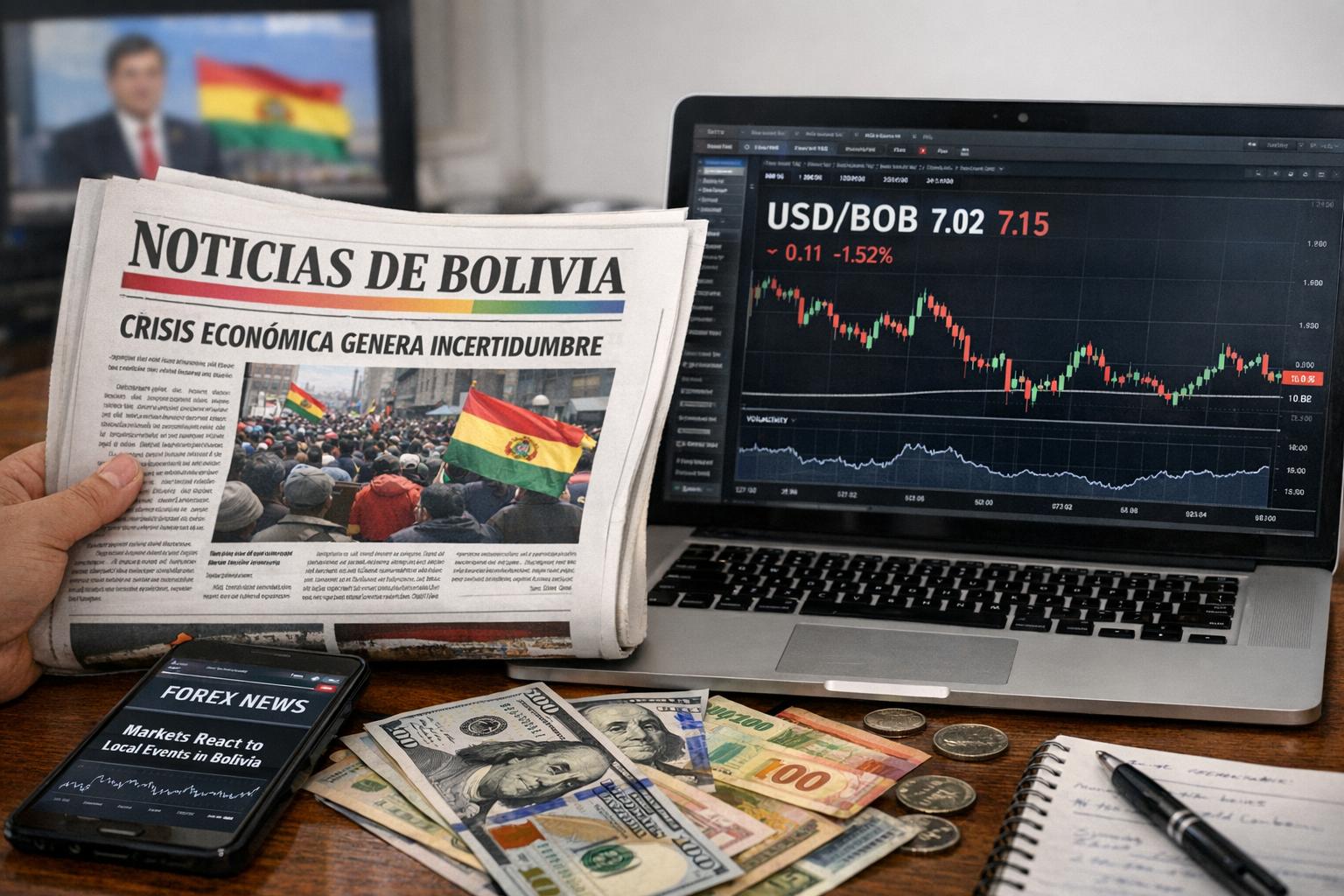
The foreign exchange market provides a clear example. The Bolivian boliviano (BOB) is not widely traded internationally, and its exchange activity is concentrated within the domestic market. Due to lower liquidity and limited participation from global financial institutions, currency spreads may be higher than those observed in major currency pairs like the US dollar and euro.
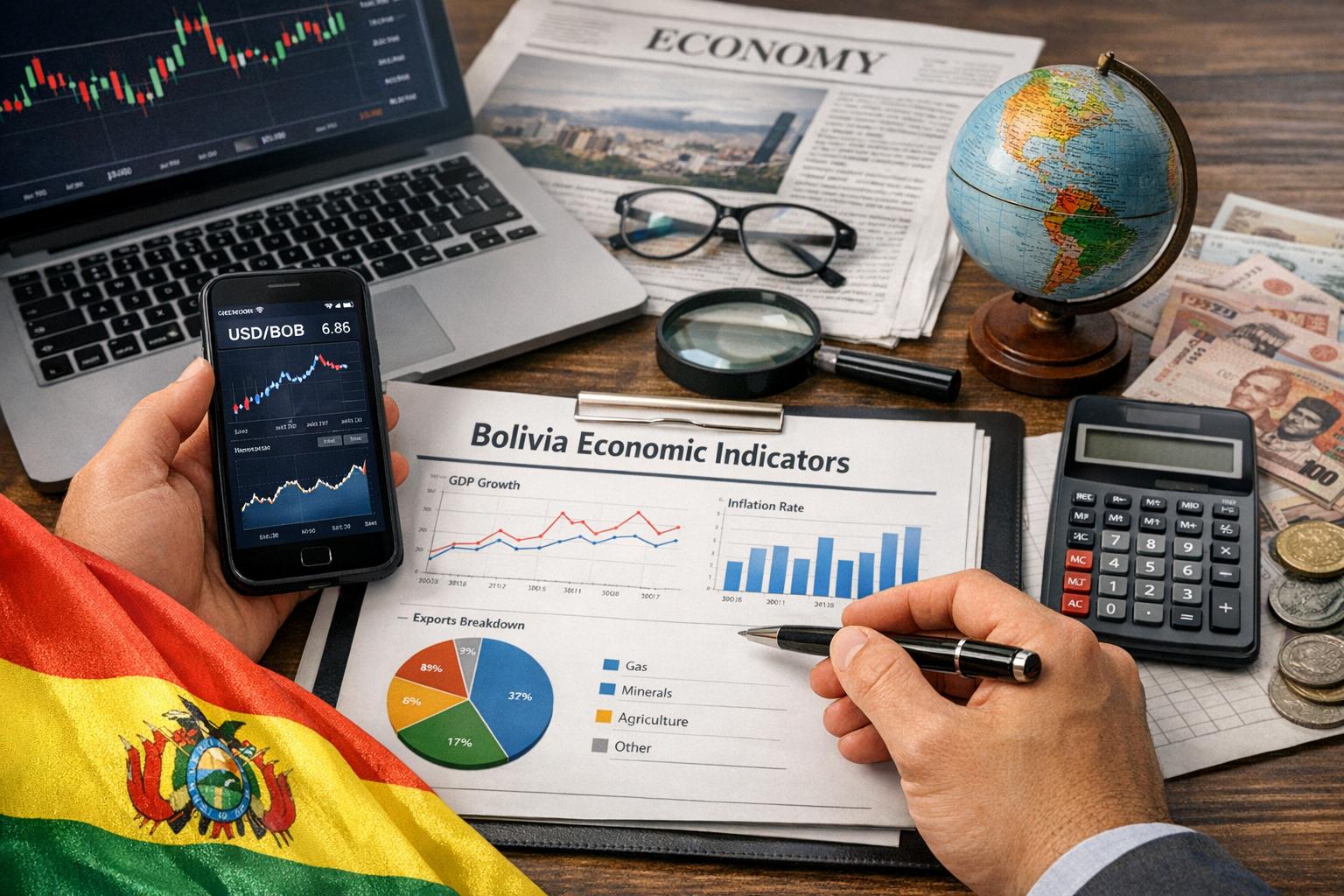
Macroeconomic stability also influences spreads indirectly. Inflation rates, fiscal policy, and external trade balances can affect investor confidence. When uncertainty about economic conditions increases, spreads tend to widen as investors demand compensation for perceived risk.
Additionally, access to financial information may be more limited compared to highly developed markets. This can increase uncertainty about asset valuation, contributing to wider spreads in both equity and debt instruments.
Financial Sector Effects
For financial institutions operating in Bolivia, spreads are a key component of revenue generation and risk management. Banks, brokers, and dealers rely on spreads to cover operational costs and compensate for the risks associated with holding inventory or facilitating trades.
At the same time, transaction costs associated with spreads have a direct impact on investors. When spreads are wide, the cost of entering and exiting positions increases. This effect is particularly significant for short-term traders, who depend on frequent transactions and small price movements to generate profits. In such an environment, trading strategies that are viable in low-spread markets may become less effective.
Investment decisions are also influenced by spreads. Investors may prefer assets with tighter spreads, as these allow for more efficient execution and lower costs. Conversely, assets with wide spreads may be avoided unless they offer sufficiently high returns to compensate for the additional cost.
The presence of wider spreads can also shape the composition of financial markets. For example, it may encourage a focus on longer-term investments rather than active trading. This shift can influence market behavior, liquidity patterns, and capital allocation over time.
Managing Spread Impact
Market participants in Bolivia adopt various approaches to manage the effects of spreads on their activities. These strategies aim to balance costs, risks, and returns in an environment where spreads may remain relatively wide.
One common approach involves emphasizing long-term investment horizons. By holding assets for extended periods, investors reduce the frequency of transactions and, consequently, the cumulative cost associated with spreads. This approach is particularly relevant in markets where short-term trading is less cost-effective.
Another method involves selecting more liquid instruments. Even within a smaller market, certain assets may have higher trading volumes and narrower spreads. By focusing on these instruments, investors can reduce transaction costs and improve execution efficiency.
Some participants engage in negotiated transactions, especially in institutional settings. Direct negotiation between parties can help reduce intermediary costs and achieve more favorable pricing. This practice is more common in less standardized markets where bilateral agreements are feasible.
Technological improvements and regulatory developments can also contribute to managing spreads over time. The introduction of electronic trading systems, increased transparency, and enhanced market infrastructure may gradually reduce spreads by improving competition and efficiency.
Broader Implications for Market Development
The size and behavior of spreads provide valuable information about the overall health of a financial market. In Bolivia, efforts to reduce spreads are closely linked to broader goals of financial development and economic growth.
Narrowing spreads can enhance market participation by lowering the cost of trading. This, in turn, can attract both domestic and international investors, increasing liquidity and reinforcing a positive cycle of market improvement. Improved liquidity can also facilitate capital raising for businesses, supporting investment and expansion.
From a policy perspective, authorities may focus on strengthening financial infrastructure, promoting transparency, and encouraging competition among market participants. These measures can contribute to more efficient pricing and reduced spreads over time.
At the same time, it is important to recognize that spreads cannot be reduced indefinitely. They serve as compensation for risk and operational costs, and overly narrow spreads in certain contexts may indicate excessive risk-taking or inadequate pricing of uncertainty. Therefore, the objective is not simply to minimize spreads but to ensure that they accurately reflect underlying market conditions.
Conclusion
The concept of spread is a central element of financial markets, influencing trading costs, investment strategies, and market efficiency. Whether in the form of bid-ask spreads, yield spreads, or credit spreads, it provides critical insight into liquidity, risk, and market structure.
In Bolivia, spreads take on additional importance due to the characteristics of a developing financial system. Wider spreads reflect structural factors such as limited liquidity and market size, but they also highlight opportunities for improvement through technological advancement and policy initiatives.
For investors, understanding spreads is essential for making informed decisions and managing transaction costs. For financial institutions, spreads represent both a source of revenue and a measure of risk. For policymakers, they serve as an indicator of market development and efficiency.
A comprehensive understanding of spreads, combined with efforts to address underlying market challenges, can contribute to a more efficient and accessible financial environment.
This article was last updated on: July 25, 2026