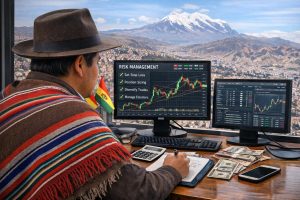
How to Create a Trading Plan in Bolivia
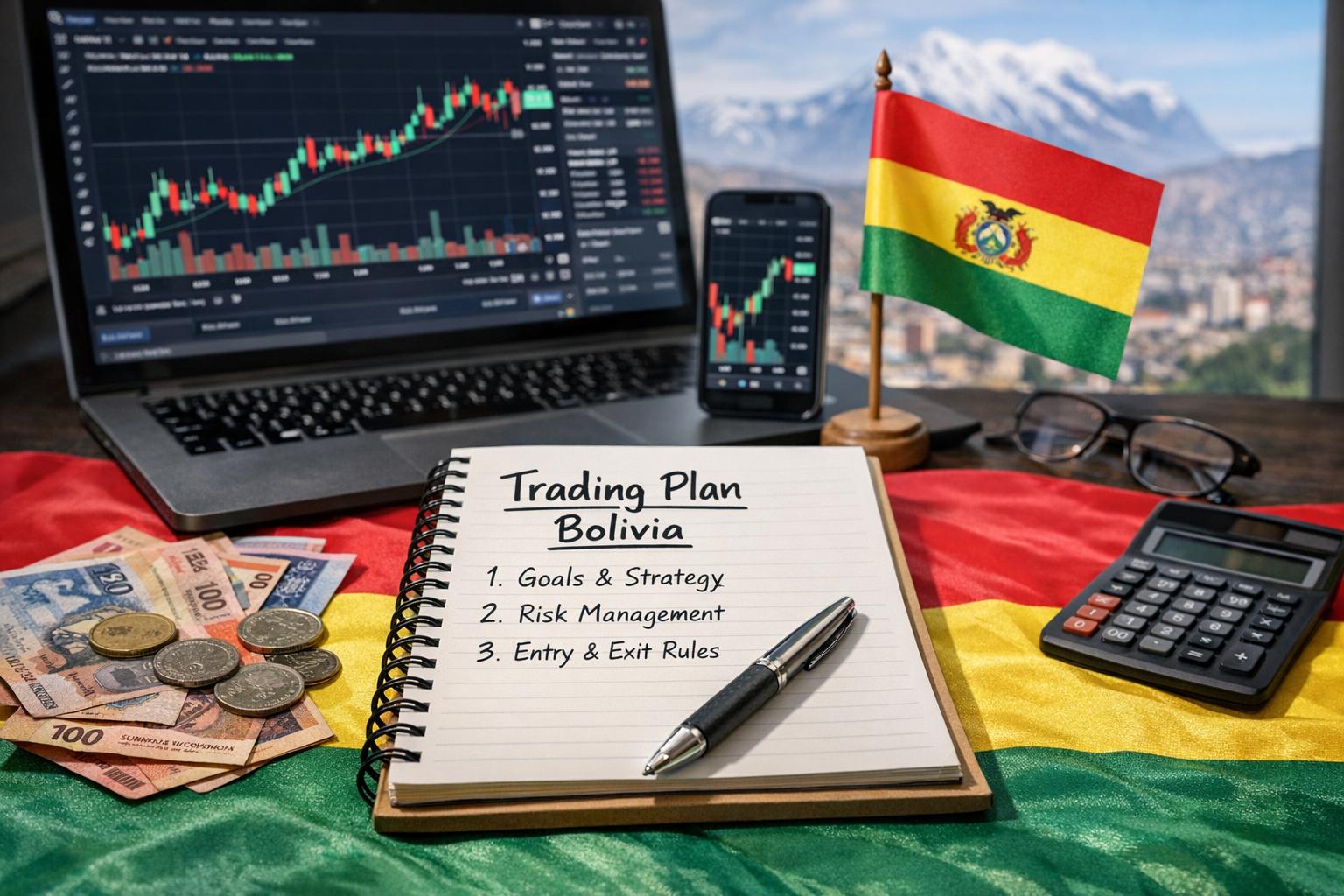
Introduction to Creating a Trading Plan in Bolivia




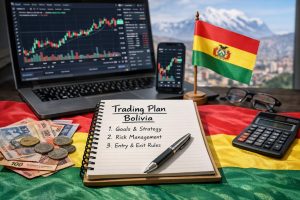
To engage in trading activities in Bolivia with consistency and discipline, it is necessary to rely on a structured trading plan rather than ad hoc decision-making. A trading plan functions as an operational framework that defines how, when, and why trades are executed. It also clarifies constraints related to capital allocation, acceptable risk levels, and evaluation methods. In the Bolivian context, where markets may be less liquid and more sensitive to macroeconomic conditions than in larger economies, the importance of planning increases further.
A well-developed plan reduces reliance on impulse and helps create repeatable processes. It also enables a trader to measure outcomes objectively over time. Without such a plan, it becomes difficult to distinguish between outcomes driven by skill and those driven by short-term market noise. In practice, a trading plan should be written, regularly reviewed, and adjusted based on observed performance and changing conditions.
Understanding the Bolivian Market
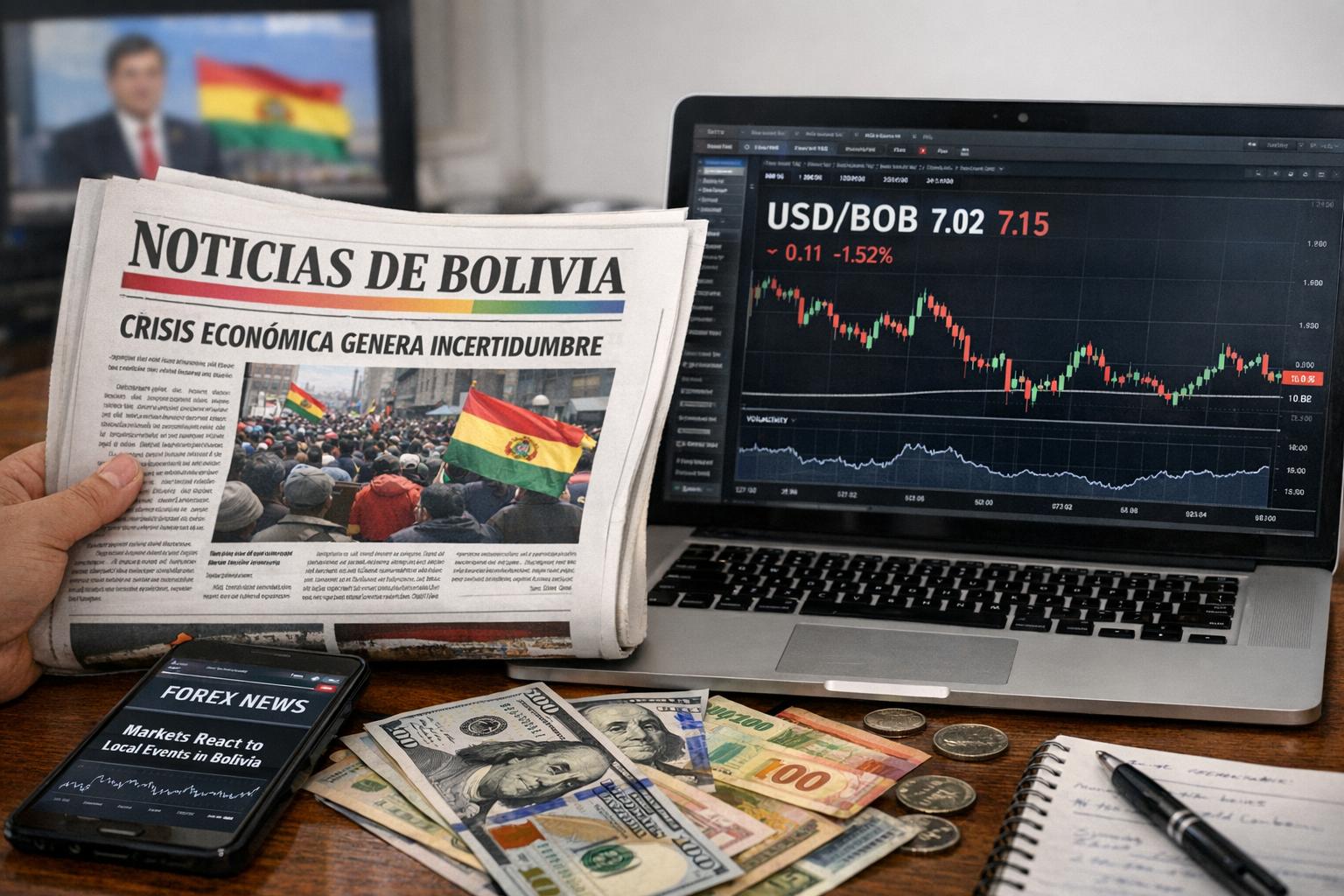
Bolivia presents a distinct financial environment shaped by its economic structure, regulatory framework, and market size. The Bolsa Boliviana de Valores (BBV) is the central marketplace for securities trading. Compared to larger global exchanges, it typically exhibits lower liquidity and fewer listed companies, which can affect pricing efficiency and trade execution.
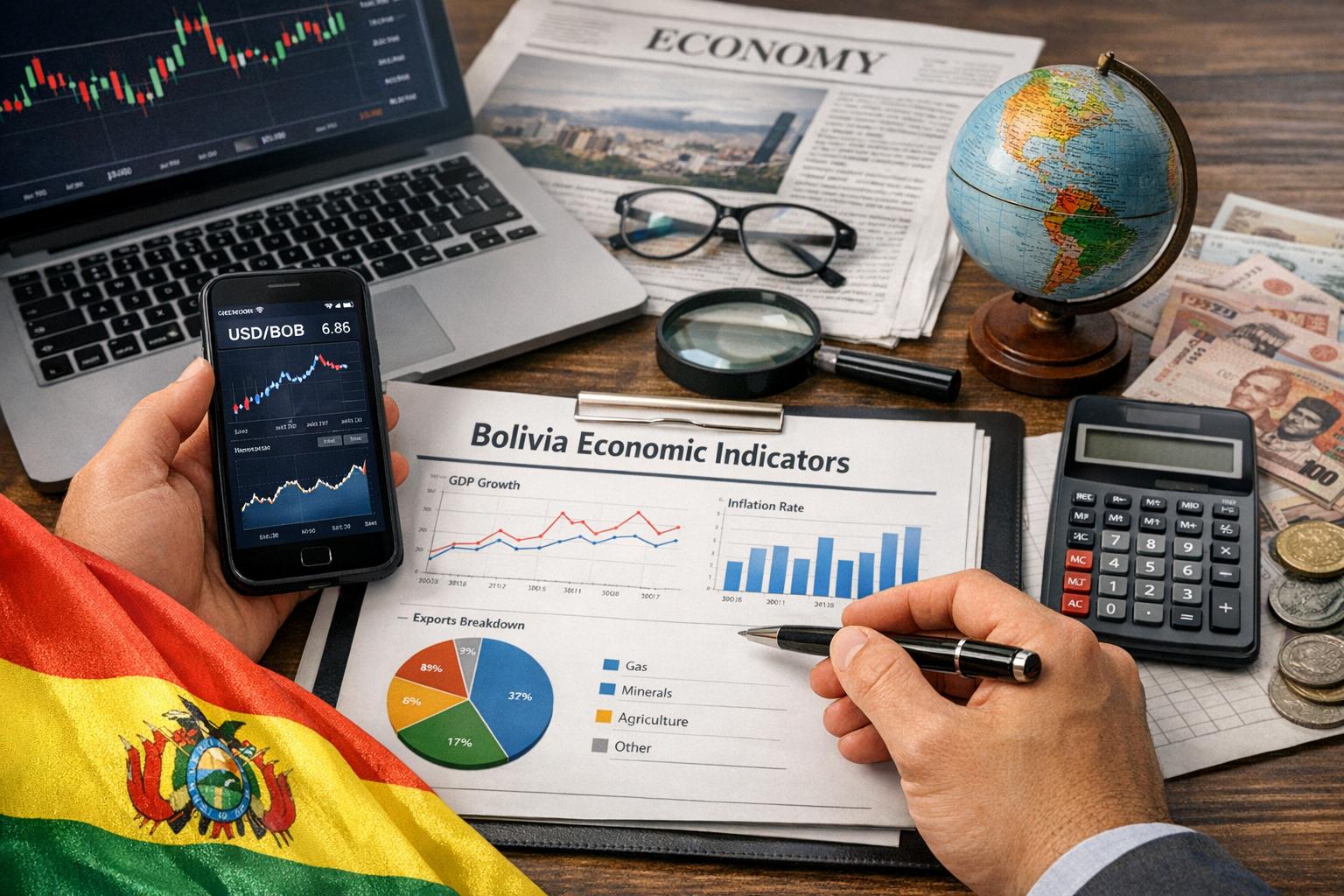
Economic activity in Bolivia is influenced by sectors such as natural gas, mining, and agriculture. As a result, commodity price movements can have a pronounced effect on economic indicators and, indirectly, on market performance. Monitoring these sectors is particularly relevant when applying fundamental analysis.
Political and regulatory factors also play a significant role. Government policy decisions, taxation changes, and monetary policy can influence investor behavior and capital flows. In addition, currency stability and inflation trends are important variables to consider, especially for traders dealing in foreign exchange or cross-border investments.
Another important feature of the Bolivian market is the relatively limited participation of retail investors compared to developed markets. This may contribute to slower reactions to new information, creating both opportunities and risks. A trading plan should take these structural characteristics into account, especially when defining entry and exit rules.
Establishing Clear Trading Goals
A trading plan is anchored in clearly defined objectives. These objectives should follow the SMART principle—specific, measurable, achievable, relevant, and time-bound. For example, a trader may aim to achieve a certain percentage return over a fixed period, while maintaining a maximum drawdown within predefined limits.
Goals should not be limited to financial outcomes. Process-oriented goals, such as adhering to entry criteria or maintaining disciplined risk management, are equally important. By focusing on both outcomes and processes, traders can better evaluate their performance in a structured manner.
Time horizon is also a key aspect of goal setting. Short-term goals might involve monthly performance benchmarks, whereas long-term goals could focus on capital growth over several years. Aligning these timelines with the realities of the Bolivian market helps ensure that expectations remain grounded.
Type of trader
Identifying the type of trader you intend to be is essential because it determines the frequency of trades, the tools used, and the level of market engagement required. A day trader typically executes multiple trades within a single day and relies heavily on short-term price movements. This approach requires high liquidity and real-time data, which may be limited in Bolivia.
A swing trader holds positions for several days or weeks, aiming to capture intermediate price movements. This approach may be more practical in the Bolivian context due to lower trading volumes. A long-term investor, on the other hand, focuses on fundamental value and holds assets over extended periods, often aligning with economic and sectoral trends.
Selecting a trading style should depend on available time, access to market data, and tolerance for volatility. A mismatch between trading style and market conditions can reduce effectiveness and increase risk.
Initial Capital and Budget
Determining the amount of capital allocated to trading is a foundational step. This capital should be separate from funds required for daily living expenses or long-term financial obligations. In markets with variable liquidity, such as Bolivia, it is particularly important to maintain a reserve to manage unforeseen circumstances.
Budgeting should also account for transaction costs, brokerage fees, and potential tax obligations. These costs can have a significant impact on net returns over time. Establishing a clear budget allows traders to assess whether their strategies are viable after accounting for these expenses.
It is also advisable to define capital allocation rules. For instance, setting a maximum percentage of total capital for each trade helps limit exposure and maintain diversification.
Developing a Trading Strategy
A trading strategy provides the rules and conditions under which trades are initiated and closed. It transforms abstract goals into actionable steps. In Bolivia, where market inefficiencies may exist due to lower liquidity, a well-defined strategy can help identify opportunities that might not be visible in more efficient markets.
A complete strategy should include criteria for selecting assets, timing entry and exit points, and determining trade size. It should also specify how to respond to different market scenarios, such as trending conditions or periods of consolidation.
Backtesting a strategy using historical data, when available, can help assess its potential effectiveness. Although historical performance does not guarantee future results, it provides a basis for evaluating whether a strategy has logical consistency and empirical support.
Technical vs. Fundamental Analysis
Choosing between technical analysis, fundamental analysis, or a combination of both depends on the trader’s approach and available data. Technical analysis focuses on price action, chart patterns, and indicators such as moving averages or relative strength indices. This approach may be useful in identifying short- to medium-term trading opportunities.
Fundamental analysis involves evaluating economic indicators, corporate financial statements, and industry trends. In Bolivia, where fewer companies are publicly listed, gaining detailed fundamental insights may require additional research, but it can provide a deeper understanding of asset value.
A combined approach allows traders to use fundamental analysis to identify potential opportunities and technical analysis to optimize entry and exit timing. Integrating both methods can enhance decision-making, particularly in markets where data availability varies.
Risk Management
Risk management is central to preserving capital and ensuring sustainability over time. Even a well-designed strategy can lead to losses if risk is not controlled. In practice, risk management involves setting limits on how much capital is exposed in any single trade and across the entire portfolio.
One commonly used tool is the stop-loss order, which automatically closes a position when the price reaches a predefined level. This helps limit losses and prevents emotional decision-making during market fluctuations. Another key concept is position sizing, which determines how much capital is allocated to each trade based on overall risk tolerance.
Establishing a maximum percentage of capital at risk per trade is a widely used guideline. For example, risking a small percentage of total capital on each trade can help ensure that a series of losses does not significantly impact the overall portfolio.
Diversification
Diversification involves spreading investments across different assets, sectors, or instruments to reduce exposure to any single source of risk. In Bolivia, achieving diversification within the domestic market may be challenging due to the limited number of listed securities. As a result, traders may consider regional or international markets, depending on accessibility and regulatory constraints.
While diversification does not eliminate risk, it can reduce the impact of adverse movements in a specific asset or sector. A trading plan should outline how diversification will be achieved and maintained over time.
Performance Monitoring and Review
Ongoing evaluation is necessary to determine whether a trading plan is effective. This involves systematically tracking trades, outcomes, and adherence to predefined rules. A trading journal is a practical tool for recording details such as entry and exit points, rationale for each trade, and observed market conditions.
Analyzing this information over time can reveal patterns in performance. For example, it may highlight whether certain strategies are consistently effective or whether deviations from the plan lead to poorer outcomes. This process supports evidence-based adjustments rather than reactive changes.
Performance metrics such as win rate, average return per trade, and maximum drawdown provide quantitative measures of success. These metrics should be reviewed at regular intervals to assess progress toward stated goals.
Adapting to Market Changes
Financial markets are dynamic, and conditions in Bolivia can evolve due to economic, political, or global factors. A trading plan should therefore include provisions for adaptation. This does not mean making frequent changes based on short-term fluctuations, but rather adjusting strategies when there is clear evidence of a structural shift.
Examples of such changes include modifications in regulatory policies, significant shifts in commodity prices, or changes in monetary policy. Maintaining flexibility within a structured framework allows traders to remain responsive without abandoning discipline.
Legal and Regulatory Considerations
Compliance with local regulations is essential when trading in Bolivia. The financial system is overseen by institutions such as the Autoridad de Supervisión del Sistema Financiero (ASFI), which establishes rules for market participants and ensures transparency and stability.
Traders should familiarize themselves with requirements related to account registration, reporting obligations, and taxation of trading income. Using authorized brokers and regulated platforms helps reduce operational risk and ensures adherence to legal standards.
It is also important to remain informed about updates in financial regulations, as these can affect trading practices and available instruments. Incorporating regulatory awareness into a trading plan helps avoid disruptions and supports long-term participation in the market.
Conclusion
Developing a trading plan tailored to the Bolivian market requires careful consideration of local conditions, personal objectives, and risk tolerance. By combining a clear understanding of the market environment with structured goal setting, strategic planning, and disciplined risk management, traders can create a framework that supports consistent decision-making.
Regular monitoring and adaptation ensure that the plan remains relevant as conditions change. While no trading plan can eliminate uncertainty, a comprehensive and well-maintained approach increases the likelihood of achieving sustainable results within the specific context of Bolivia’s financial markets.
This article was last updated on: June 26, 2026