Fundamental Analysis in Forex: Bolivian Perspective
Introduction to Fundamental Analysis in Forex




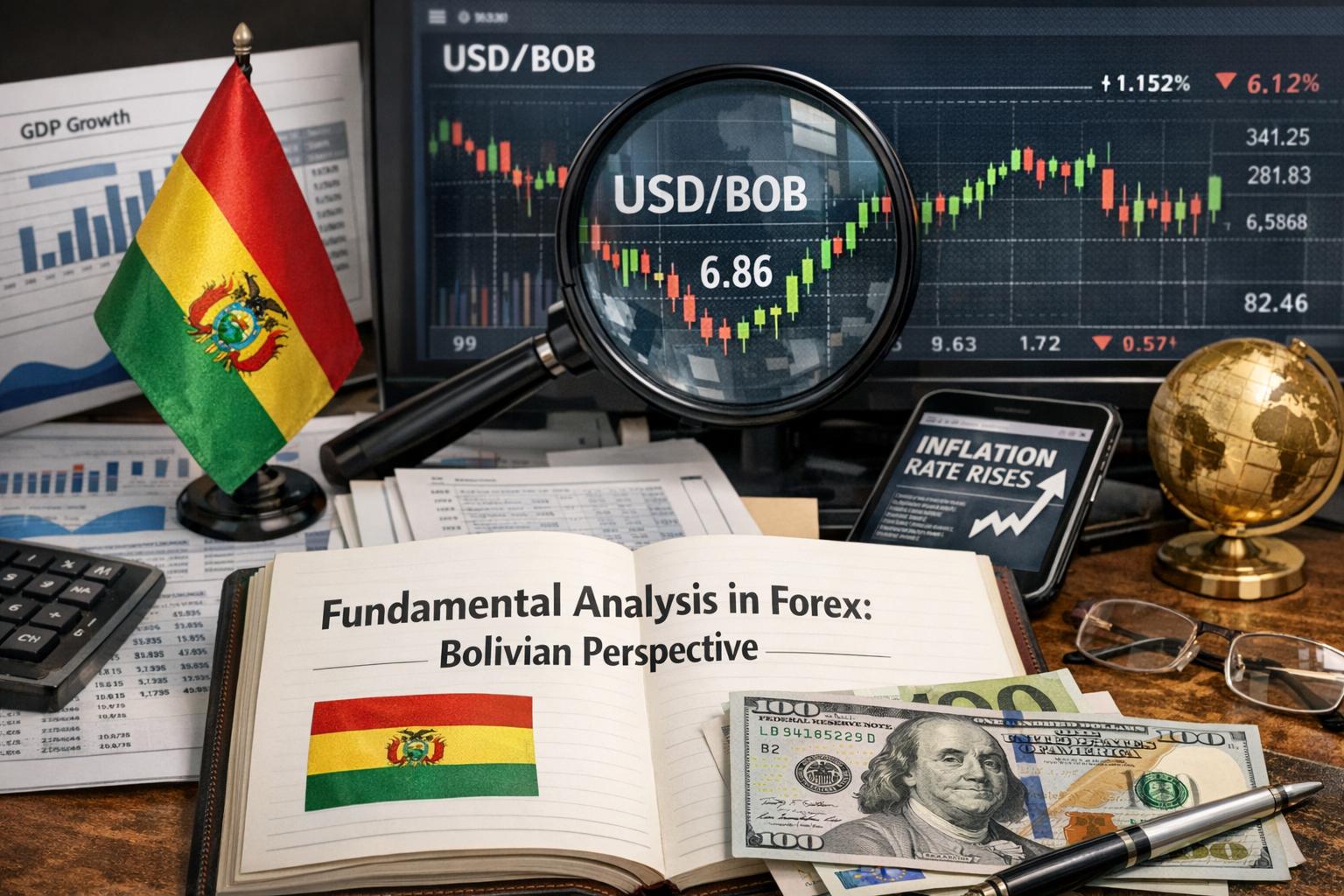
Fundamental analysis in the forex market involves the evaluation of economic, social, and political forces that influence a country’s currency value. Unlike technical analysis, which focuses on price charts and patterns, fundamental analysis seeks to determine the intrinsic value of a currency by examining underlying economic conditions. For traders and investors from Bolivia, or those interested in the Bolivian boliviano (BOB), understanding these elements provides a structured way to anticipate potential currency movements and identify trade opportunities.
The foreign exchange market operates in a highly interconnected global environment, where localized developments can have broader implications. Bolivia, as an emerging economy with a significant dependence on commodity exports, presents a unique case for applying fundamental analysis. Traders who understand how domestic and international factors interact can better interpret fluctuations in the BOB and align their strategies accordingly.
The Importance of Economic Indicators
Economic indicators serve as measurable data points that reflect the strength or weakness of an economy. These indicators are regularly published by government agencies and international organizations, providing traders with consistent information to evaluate market conditions. In Bolivia, as in other countries, certain indicators hold particular importance due to the structure of the economy and policy environment.
By monitoring these indicators over time, traders can identify trends, compare expectations against actual outcomes, and gauge how financial markets may react. Economic indicators not only influence domestic market sentiment but also shape international perceptions, which are critical in forex trading.
Gross Domestic Product (GDP)
Gross Domestic Product (GDP) measures the total value of goods and services produced within a country over a specific period. It is widely regarded as one of the most comprehensive indicators of economic performance. In Bolivia, GDP growth is closely tied to sectors such as natural gas production, mining, and agriculture.
A rising GDP generally signals economic expansion, increased employment, and higher income levels. These factors can contribute to a stronger national currency, as they attract foreign investment and improve trade balances. Conversely, slow or negative GDP growth may indicate underlying economic challenges, such as reduced industrial output or declining exports.
It is also important to consider the composition of GDP growth. For example, growth driven by temporary commodity booms may not provide the same long-term support to the currency as growth based on diversified industrial development. Traders evaluating GDP data often look beyond headline figures to understand the sustainability of economic expansion.
Inflation Rates
Inflation reflects the rate at which the general price level of goods and services rises over time, reducing purchasing power. In Bolivia, inflation is monitored carefully by policymakers, as it directly affects economic stability and public confidence.
Moderate inflation is typically viewed as a sign of a healthy economy, indicating steady demand and consumption. However, excessive inflation can erode savings, reduce real incomes, and create uncertainty in financial markets. In such scenarios, the value of the boliviano may decline as both domestic and international participants seek more stable alternatives.
Low or negative inflation, often referred to as deflation, can also pose risks. It may signal weak demand and slow economic activity. For forex traders, the key lies in analyzing inflation trends alongside central bank responses, as these interactions often determine the direction of currency movements.
Interest Rates
Interest rates are a primary tool used by central banks to manage economic activity. In Bolivia, the Central Bank sets monetary policy with the aim of maintaining price stability and supporting economic growth. Interest rate changes influence borrowing costs, consumer spending, and investment flows.
Higher interest rates generally attract foreign capital, as investors seek better returns on their investments. This increased demand for financial assets denominated in BOB can lead to currency appreciation. On the other hand, lower interest rates may discourage foreign investment and contribute to currency depreciation.
Traders often analyze not only current interest rates but also forward guidance and policy signals from the central bank. Expectations about future rate changes can have an immediate impact on currency values, sometimes even before official decisions are implemented.
Political Stability and Geopolitical Implications
Political conditions play a significant role in shaping investor confidence and economic performance. In Bolivia, political developments can influence fiscal policy, regulatory frameworks, and foreign relations, all of which have direct implications for currency valuation.
Stable governance tends to create a predictable business environment, encouraging both domestic and foreign investment. In contrast, political uncertainty or abrupt policy changes can lead to capital outflows and increased volatility in the forex market.
Government Policies
Government policies, particularly those related to taxation, public spending, and resource management, are key drivers of economic outcomes. In Bolivia, the state has historically played an active role in strategic sectors such as energy and mining.
Fiscal discipline and transparent policy implementation can enhance credibility and attract investment, supporting the national currency. For instance, efficient allocation of public resources toward infrastructure and development projects can stimulate economic growth and improve productivity.
However, policies perceived as restrictive or unpredictable may reduce investor confidence. Changes in regulations affecting foreign ownership, export controls, or taxation can alter market dynamics and impact the demand for the boliviano.
Social and Cultural Factors
Social and cultural dynamics provide context for long-term economic trends. Factors such as population growth, urbanization, education levels, and labor force participation influence productivity and consumption patterns.
In Bolivia, demographic trends and social policies can shape the structure of the economy over time. A growing and increasingly urban population may lead to higher domestic demand, while improvements in education and skills can enhance competitiveness in international markets.
Understanding these elements helps traders anticipate gradual shifts in economic fundamentals that may not be immediately reflected in short-term market movements. While less visible than economic data releases, social factors contribute to the broader environment in which currency valuation evolves.
Global Market Influences
No economy operates in isolation, and Bolivia is significantly influenced by global economic conditions. External demand, international financial trends, and geopolitical developments all contribute to the valuation of its currency.
As a country reliant on exports of natural resources, Bolivia’s economic performance is closely tied to global market cycles. Changes in demand from major economies, fluctuations in commodity prices, and shifts in trade policies can have immediate and substantial effects on the boliviano.
Commodity Prices
Bolivia’s export profile includes natural gas, minerals, and agricultural products, making commodity prices a critical factor in fundamental analysis. When global prices for these commodities rise, export revenues increase, improving trade balances and strengthening the currency.
Conversely, declining commodity prices can reduce national income and place downward pressure on the boliviano. Traders often monitor international benchmarks and production data to assess potential impacts on Bolivia’s economy.
It is also important to consider the volatility of commodity markets. External factors such as geopolitical tensions, technological changes, and shifts in energy consumption can lead to rapid price changes, which in turn affect currency valuation.
International Trade Agreements
Trade agreements determine the terms under which countries exchange goods and services. Bolivia’s participation in regional and international agreements influences market access, tariff structures, and investment flows.
Favorable agreements can open new markets, increase export volumes, and support economic growth. This can enhance demand for the boliviano as trade activity expands. On the other hand, disputes or unfavorable terms may limit opportunities and create uncertainty in the market.
Traders analyzing these agreements consider not only existing arrangements but also ongoing negotiations and potential policy shifts. Changes in trade relationships can signal future economic conditions and impact currency expectations.
Market Sentiment and Expectations
Beyond measurable indicators, market sentiment plays a significant role in forex trading. Sentiment reflects the collective perceptions and expectations of market participants, which can sometimes drive price movements independently of underlying fundamentals.
In Bolivia, as in other markets, expectations about future economic performance, political developments, and global conditions can influence trading behavior. News events, policy announcements, and external shocks often shape sentiment, leading to short-term fluctuations in currency value.
Understanding sentiment requires attention to both quantitative data and qualitative information. Traders may analyze central bank communications, government statements, and global economic reports to assess how market participants are likely to react.
Conclusion
Fundamental analysis forms a crucial aspect of forex trading in Bolivia by providing a structured framework for evaluating currency value. Through the examination of economic indicators such as GDP, inflation, and interest rates, traders gain insight into the underlying health of the economy.
Political stability, government policies, and social dynamics further shape the environment in which economic activity occurs, influencing investor confidence and long-term trends. At the same time, global market forces, including commodity prices and international trade relationships, connect Bolivia’s economy to broader developments.
A comprehensive approach to fundamental analysis involves integrating all these factors while remaining aware of market sentiment and expectations. By doing so, traders can better interpret currency movements and make informed decisions in the dynamic forex market.
This article was last updated on: April 17, 2026