Trading USD/BOB: Opportunities and Challenges
Understanding USD/BOB Trading




Trading the US Dollar (USD) against the Bolivian Boliviano (BOB) presents a specialized segment of the foreign exchange market that differs significantly from major currency pairs. The USD/BOB exchange rate reflects the value of one US dollar in terms of Bolivian bolivianos, and its behavior is influenced by a mixture of domestic economic policy, external commodity dynamics, and structural features unique to Bolivia’s financial system. Unlike freely floating currencies, the BOB operates within a tightly managed framework, which shapes both price action and trading strategies.
The pair is not widely traded on global platforms, and pricing often reflects the controlled nature of the Bolivian exchange rate regime rather than purely market-driven supply and demand. As a result, traders approaching USD/BOB must adjust expectations regarding volatility, liquidity, and responsiveness to global macroeconomic developments.
The Economic Context
The economic relationship between the United States and Bolivia plays a defining role in shaping the USD/BOB exchange rate, although the connection is indirect compared to trade-intensive bilateral currency pairs. The United States maintains one of the largest and most diversified economies globally, with strong financial markets and a widely used reserve currency. In contrast, Bolivia’s economy is smaller, less diversified, and more dependent on exports of natural resources.
Bolivia’s reliance on commodities such as natural gas, zinc, tin, and lithium introduces external sensitivity into its economic structure. When global commodity prices rise, export revenues typically increase, strengthening Bolivia’s fiscal position and supporting the value of the boliviano. Conversely, declines in commodity prices can reduce foreign currency inflows, placing pressure on the country’s reserves and exchange rate stability.
Another important factor is Bolivia’s trade balance. Periods of strong export performance relative to imports help maintain currency stability, while persistent trade deficits may require intervention or policy adjustments. Remittances from Bolivians working abroad also contribute to foreign currency inflows, further influencing the availability of USD within the domestic market.
Structural Characteristics of the Bolivian Economy
Bolivia’s economic model includes a significant level of state involvement, particularly in strategic industries such as hydrocarbons and mining. This structure affects investor sentiment and limits the degree to which international capital flows influence the currency market. While foreign investment does occur, it is often subject to regulatory conditions that reduce speculative currency movements.
The financial system is relatively less developed compared to advanced economies, and capital controls or administrative measures may limit currency convertibility in practice. These factors contribute to reduced liquidity in the USD/BOB pair and a more stable, but less responsive, exchange rate.
The Role of Central Banks
Central bank policy is one of the most significant influences on USD/BOB trading. The Federal Reserve in the United States operates with a mandate focused on price stability and employment, using tools such as interest rate adjustments, asset purchases, and forward guidance. Changes in US monetary policy can affect global capital flows and the relative strength of the dollar.
In Bolivia, the Central Bank of Bolivia (Banco Central de Bolivia) plays a more direct role in managing the exchange rate. Rather than allowing the boliviano to float freely, the central bank often maintains a fixed or tightly controlled exchange rate against the US dollar. This policy is designed to support price stability, encourage confidence in the domestic currency, and reduce inflationary pressures.
Intervention typically involves the use of foreign exchange reserves to meet demand for US dollars and maintain the target exchange rate. While this approach can reduce volatility, it also creates a dependency on reserve levels. If reserves decline significantly, the credibility of the exchange rate regime may be questioned, potentially leading to adjustments or devaluation.
Market Structure and Liquidity
The USD/BOB currency pair does not trade with the same depth or frequency as major or even most emerging market currency pairs. Liquidity is concentrated within Bolivia’s domestic banking system and among institutions engaged in cross-border trade. As a result, price quotes may not be continuously available on international trading platforms, and spreads can vary depending on market conditions.
This limited liquidity has practical implications for traders. Executing large transactions without affecting the market price can be difficult, and pricing inefficiencies may persist longer than in more liquid markets. Additionally, access to reliable data and real-time pricing may be limited, requiring traders to rely on official rates or indicative quotes rather than fully transparent market prices.
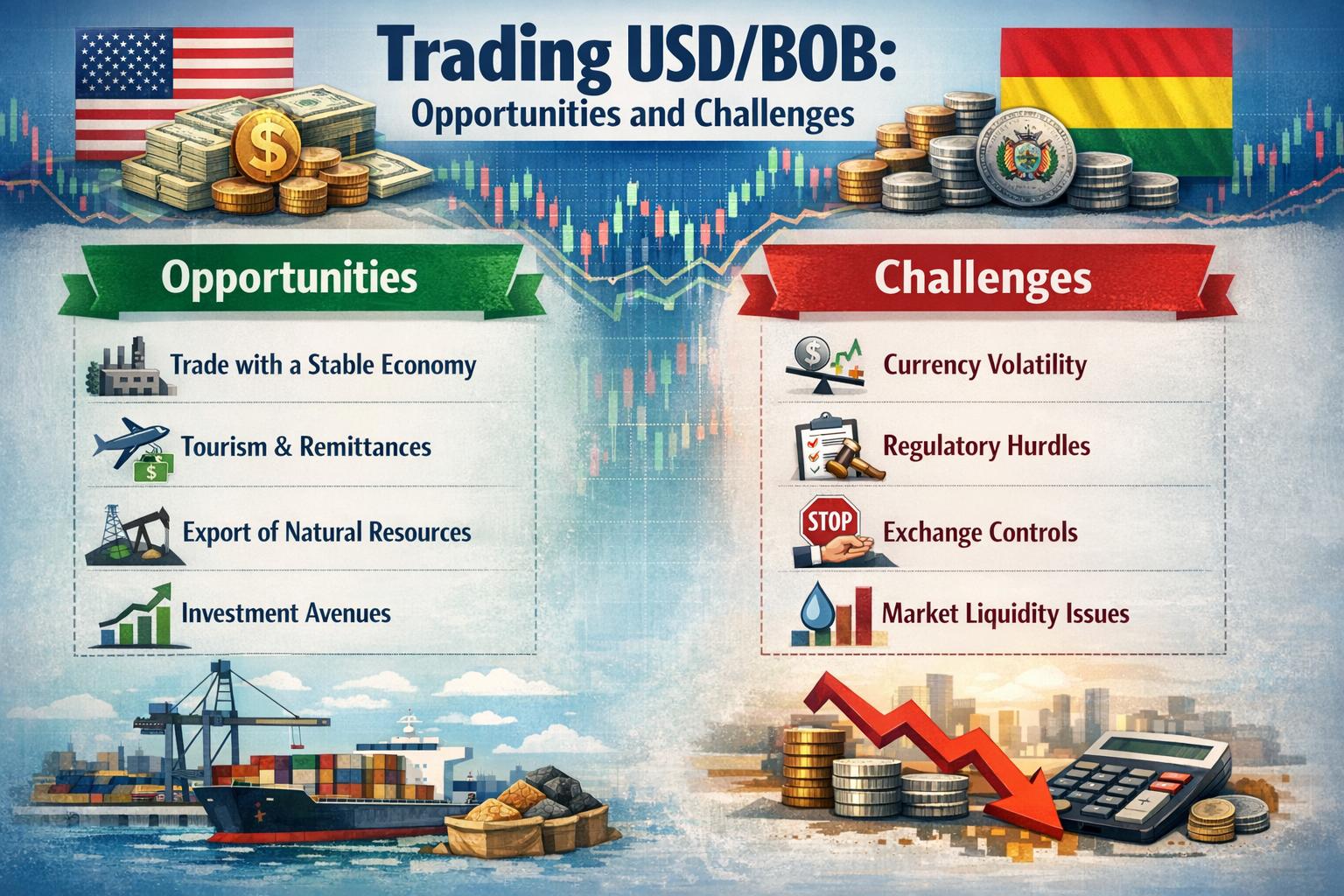
Opportunities in USD/BOB Trading
Despite structural limitations, USD/BOB trading does present opportunities, particularly for those who focus on macroeconomic analysis and policy trends. One of the primary areas of opportunity lies in anticipating adjustments to Bolivia’s exchange rate policy. While the central bank aims to maintain stability, external pressures such as declining reserves or persistent trade imbalances can eventually lead to policy changes.
Traders who monitor indicators such as foreign exchange reserves, fiscal balances, and export revenues may identify signs of stress within the system. In such cases, speculation around potential devaluation or policy shifts can influence positioning, even if the actual change occurs gradually rather than abruptly.
On the US side, shifts in Federal Reserve policy can alter the broader strength of the dollar. A strengthening USD environment, driven by rising interest rates or strong economic performance, can increase demand for dollars globally and indirectly affect currency dynamics in countries with managed exchange rates.
Commodity Price Sensitivity
Bolivia’s dependence on commodity exports creates a link between global resource markets and the USD/BOB pair. For example, increases in natural gas prices can improve Bolivia’s export revenues, supporting the country’s foreign exchange reserves and reinforcing the stability of the boliviano. Similarly, declines in commodity prices can weaken these fundamentals.
Traders who follow commodity cycles may use this information to form expectations about the medium- to long-term sustainability of the exchange rate. While short-term movements may remain limited due to central bank intervention, underlying economic pressures can accumulate over time.
Interest Rate Differentials
Interest rate differentials between the United States and Bolivia can influence capital flows, although the effect is moderated by Bolivia’s exchange rate controls. Higher US interest rates may attract global capital into dollar-denominated assets, reinforcing USD strength. In contrast, Bolivia’s domestic rates are often aligned with policy objectives rather than market-driven capital attraction.
This dynamic reduces the effectiveness of traditional carry trade strategies, but it still contributes to the broader context in which USD/BOB is evaluated. Traders consider these factors when assessing relative currency strength, even if direct arbitrage opportunities are limited.
Challenges of Trading USD/BOB
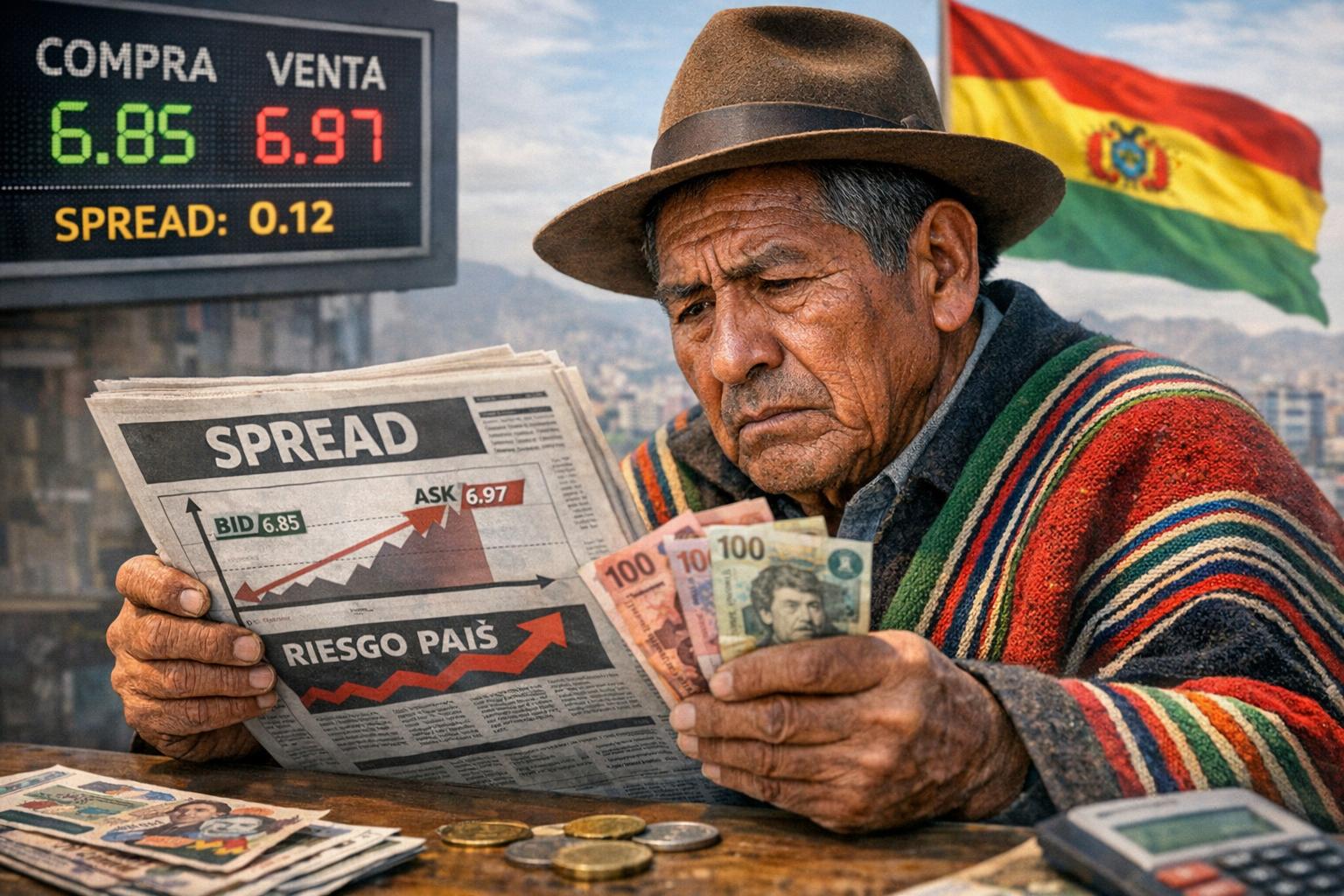
Trading USD/BOB involves several challenges that distinguish it from more conventional forex pairs. The most prominent issue is limited liquidity, which affects both execution and pricing. Wider bid-ask spreads increase transaction costs, and the availability of counterparties may be restricted, particularly for retail traders.
Another challenge is the managed nature of the exchange rate. Price movements may appear subdued or disconnected from global trends, reflecting policy decisions rather than market sentiment. This reduces the effectiveness of technical analysis, which relies on price patterns and momentum.
Regulatory and Access Constraints
Access to the USD/BOB market may be constrained by regulatory frameworks and institutional requirements. In some cases, trading may only be possible through local financial institutions or specialized intermediaries. Compliance requirements and documentation standards can add operational complexity.
Additionally, differences between official exchange rates and parallel market rates may exist under certain conditions. This can create discrepancies in pricing and complicate the interpretation of exchange rate data.
Political and Economic Instability
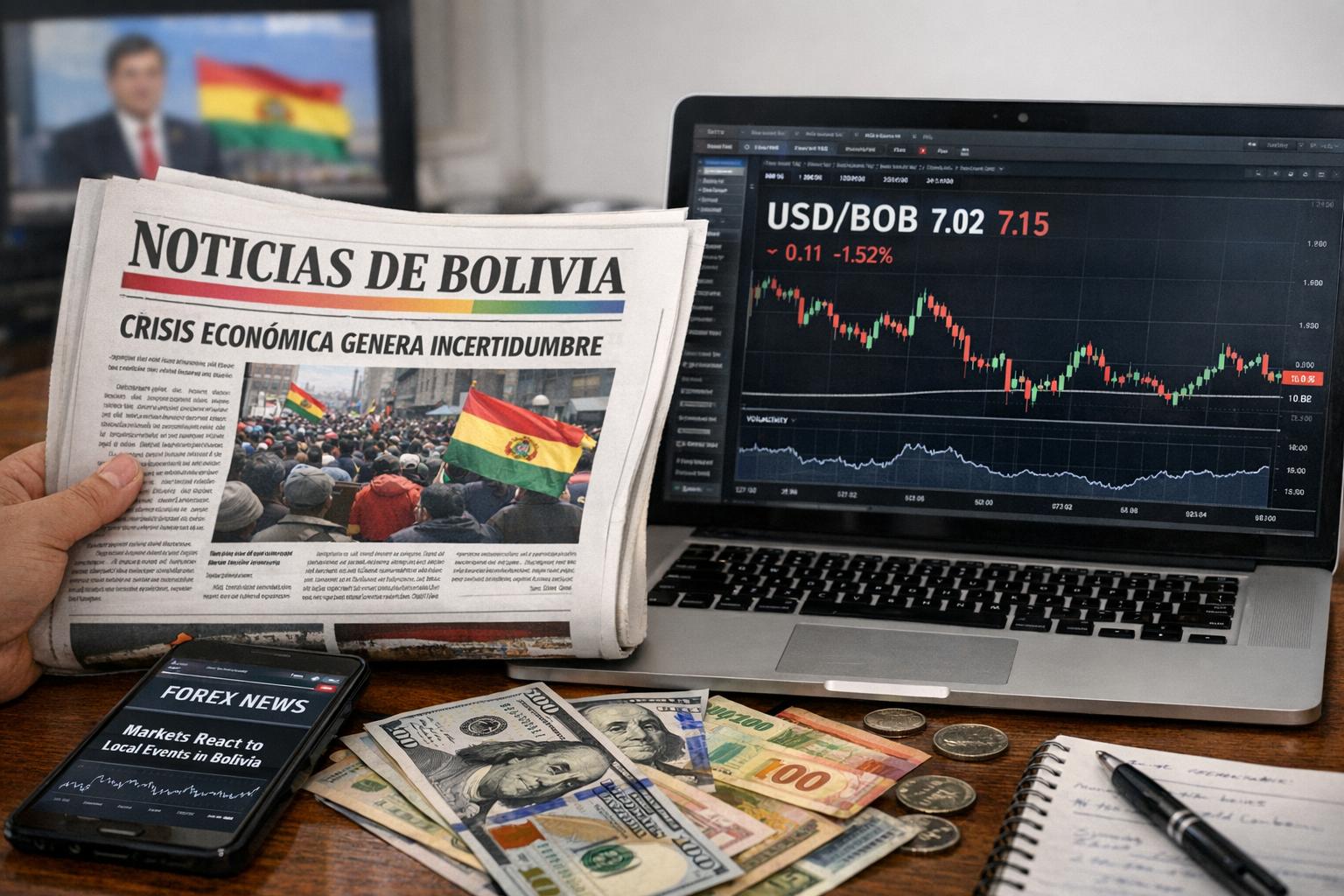
Political developments in Bolivia can influence economic policy and investor confidence. Changes in government priorities, regulatory frameworks, or resource management strategies may affect the country’s economic outlook. While the exchange rate is managed, underlying instability can increase the risk of policy adjustments.
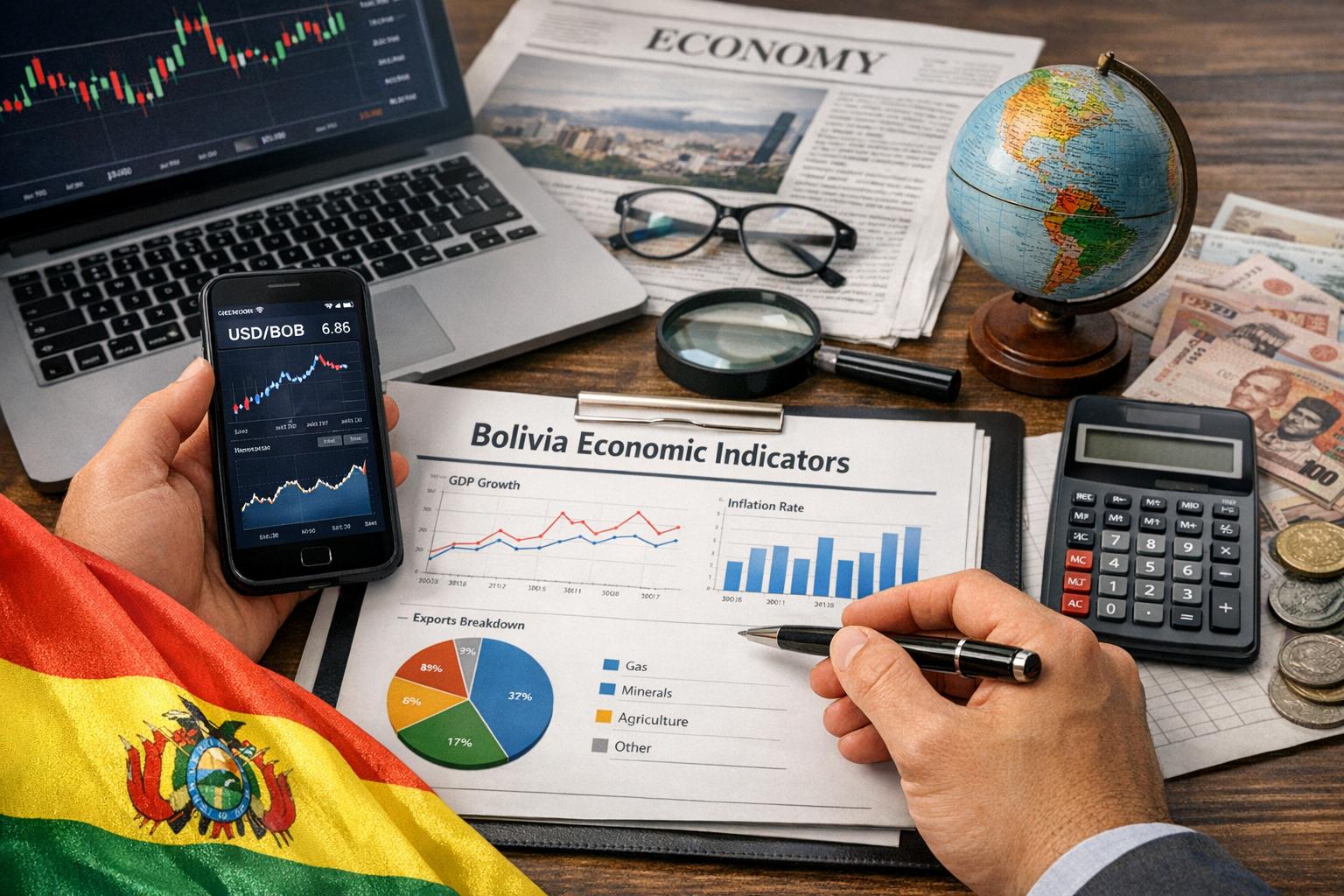
Economic indicators such as inflation, fiscal deficits, and reserve levels should be monitored closely. Unexpected shifts in these metrics can signal potential changes in exchange rate policy or broader economic conditions.
Currency Risk Management
Effective risk management is essential when dealing with a currency pair characterized by low liquidity and administrative controls. Traditional tools such as stop-loss orders may not always function as expected in illiquid markets, making position sizing particularly important. Traders often limit exposure to ensure that adverse movements do not result in disproportionate losses.
Diversification is another relevant consideration. Given the specific risks associated with USD/BOB, traders may balance their portfolios with more liquid currency pairs to maintain overall flexibility. Monitoring macroeconomic indicators and policy announcements can also help anticipate potential changes.
Understanding the role of foreign exchange reserves is particularly important in this context. A sustained decline in reserves may indicate growing pressure on the central bank’s ability to maintain the exchange rate, increasing the probability of adjustments.
Analytical Approaches
Analysis of USD/BOB typically emphasizes fundamental factors over technical indicators. Economic data, commodity price trends, and policy statements provide the most relevant information for assessing the pair. While technical analysis can still offer insights, its usefulness is limited by the controlled nature of price movements.
Scenario-based analysis is often used to evaluate potential outcomes. For example, traders may consider how a sustained drop in natural gas prices, combined with rising import demand, could affect Bolivia’s reserves and exchange rate policy over time. This approach focuses on identifying structural pressures rather than short-term fluctuations.
Conclusion
Trading the USD/BOB currency pair requires an understanding of factors that differ from those influencing more liquid and freely floating currencies. The combination of a managed exchange rate, commodity dependence, and limited market liquidity creates a distinct environment in which policy decisions play a central role.
Opportunities exist for those who can interpret macroeconomic signals and anticipate shifts in policy or external conditions. At the same time, the challenges associated with access, liquidity, and regulatory constraints necessitate careful risk management. A well-informed approach that integrates economic analysis with awareness of institutional frameworks is essential for navigating this market effectively.
This article was last updated on: March 27, 2026