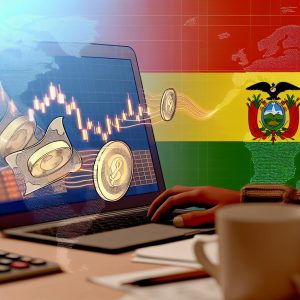
Trading USD/BOB: Opportunities and Challenges
Understanding USD/BOB Trading



The USD/BOB currency pair represents the exchange rate between the United States Dollar (USD) and the Bolivian Boliviano (BOB). Trading this pair involves a comprehensive understanding of both the international and local economic factors influencing these currencies. This market, while not as heavily traded as major pairs, presents unique opportunities and challenges.
Economic Considerations
United States Economic Influence: The USD remains a significant force in global finance. U.S. monetary policy, including interest rates and inflation rates, can directly affect the USD’s strength. An expansionary monetary policy in the United States, for example, could lead to a weaker dollar, influencing the USD/BOB exchange rate.
Understanding the dynamics of the U.S. economy is crucial for traders dealing with the USD/BOB pair. Factors such as the Federal Reserve’s interest rate decisions, fiscal policies, and economic data releases like employment figures, GDP growth rates, and consumer confidence indices are significant indicators of the USD’s performance.
In addition, geopolitical events involving the United States can also influence the dollar’s value on the global stage. Political stability and international relations play crucial roles in shaping market perceptions and USD valuation.
Bolivian Economic Context: The Bolivian Boliviano, affected by local developments, depends on Bolivia’s economic stability. As an economy, Bolivia relies heavily on its natural resources, particularly in mining sectors such as tin, silver, and lithium. Changes in global commodity prices and Bolivia’s economic policies regarding resource management can impact the BOB’s stability.
Bolivia’s fiscal and monetary policies also direct the BOB’s performance. The government’s approach to inflation targeting, exchange rate policies, and fiscal discipline can either enhance or weaken the BOB’s strength. Additionally, Bolivia’s trade relationships and balance of trade impact the currency, with commodity exports being a critical source of foreign exchange revenues.
Opportunities in USD/BOB Trading
The USD/BOB pairing offers distinct opportunities for traders, primarily due to its unique positioning in the global forex market.
Arbitrage Opportunities: The USD/BOB pairing, due to its lower trading volume compared to major pairs, can present traders with arbitrage opportunities. Differences in exchange rates offered across platforms can be exploited for profit.
Arbitrage involves exploiting the price discrepancies that can occur between different trading platforms or markets. Given that USD/BOB is not a heavily traded pair, inefficiencies in pricing can be more prevalent, allowing savvy traders to make risk-free profits by simultaneously buying and selling the pair in different markets.
Portfolio Diversification: Engaging in USD/BOB trading allows investors to diversify their portfolio. This is particularly attractive for those looking to hedge against currency risk in more volatile regions.
By including the USD/BOB currency pair in their portfolio, traders can gain exposure to the Bolivian economy, which can behave differently compared to more developed markets. This diversification can be particularly advantageous for hedging against market downturns or specific regional risks, given the distinctive economic factors affecting the BOB.
Challenges in the Market
Despite its opportunities, trading the USD/BOB pair is not without its challenges.
Liquidity Issues: The liquidity of the USD/BOB pair can be a significant challenge for traders. Lower trading volumes can lead to wider spreads and potentially increased trading costs.
Liquidity refers to the ease with which a currency can be bought or sold without affecting its price. The USD/BOB pair, being less traded, may not enjoy the same level of liquidity as major currency pairs like EUR/USD or USD/JPY. As a result, traders might face difficulties in executing large orders without encountering slippage, where the actual execution price differs from the expected price.
Regulatory Environment: Bolivia has specific regulations regarding foreign exchange that traders must navigate. Understanding local laws and maintaining compliance is crucial to avoid legal complications.
The regulatory framework within Bolivia can pose challenges for traders unfamiliar with local exchange laws. Ensuring compliance with capital controls, repatriation rules, and trading restrictions is crucial. Traders must also stay informed about any changes in regulations that can impact their trading activities, making local regulatory expertise important.
Conclusion
Trading the USD/BOB currency pair requires an informed approach, considering both global economic trends and localized factors affecting Bolivia’s economy. While the pair provides unique opportunities for diversification and potential profit through arbitrage, traders must also consider the inherent challenges such as liquidity constraints and regulatory hurdles. Understanding these dynamics can lead to informed trading strategies and potentially successful investment outcomes.
In conclusion, while USD/BOB might not be the most popular currency pair, its idiosyncratic nature offers distinct possibilities for traders willing to navigate its complexities. Balancing economic insights with strategic trading approaches can unlock the potential within this less conventional forex market, benefiting both risk management and profit-seeking objectives in trading portfolios.
This article was last updated on: January 4, 2026