Forex Education Resources for Bolivians
Introduction to Forex Trading in Bolivia


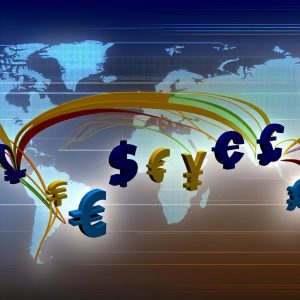
The foreign exchange market, commonly known as Forex, is one of the largest and most liquid financial markets in the world. It operates globally, enabling participants from different countries, including Bolivia, to trade currencies around the clock. With the increasing accessibility of online trading platforms, individuals in Bolivia now have more direct exposure to this market than ever before. However, participation in Forex trading requires more than access to a platform; it demands a structured approach to learning, disciplined execution, and a realistic understanding of risk.
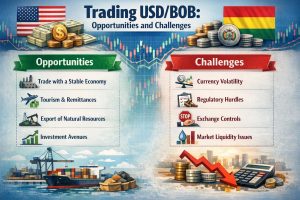
For Bolivian traders, Forex presents both opportunities and challenges. On one hand, it offers a decentralized environment where individuals can engage independently without the need for large institutional backing. On the other hand, the complexity of global financial systems and price movements requires a careful and informed approach. Building a foundation through education and continuous practice remains essential for those seeking long-term engagement in Forex trading.
Understanding Forex Basics
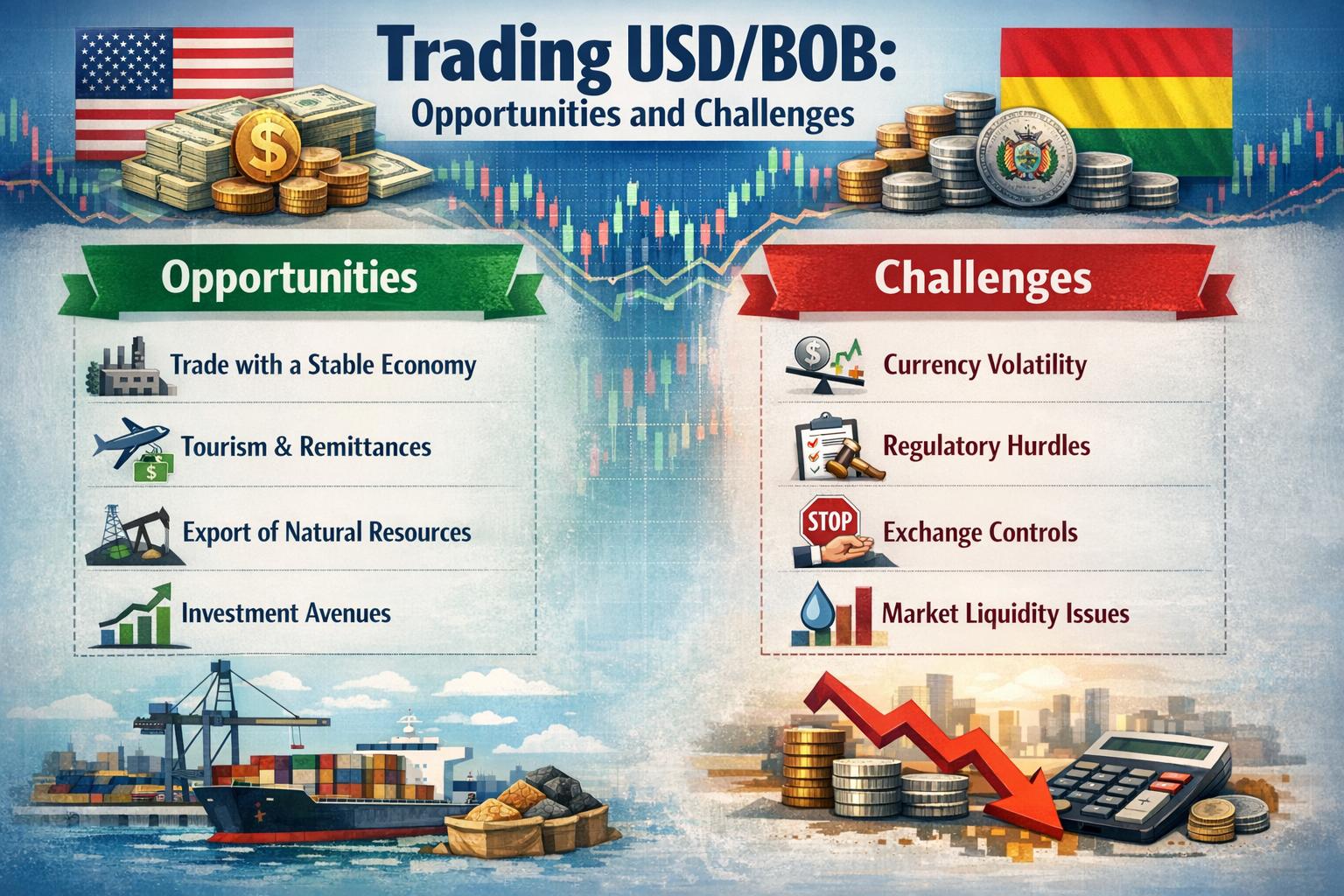
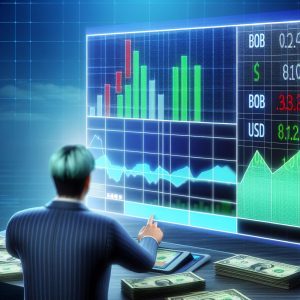
Forex trading involves the simultaneous buying of one currency and selling of another, commonly expressed as a currency pair. Examples include EUR/USD or USD/BOB, although not all currencies are equally liquid or widely traded. The value of one currency relative to another fluctuates due to supply and demand factors, which are influenced by economic data, political developments, interest rates, and broader global conditions.
A key concept in Forex is the pip, which represents the smallest price movement in a currency pair. Understanding pip value is important because it determines how profits and losses are calculated. Another essential element is the spread, which is the difference between the buying price and the selling price of a currency pair. This spread often represents a transaction cost and varies depending on market conditions and the broker.
Leverage is another defining characteristic of Forex trading. It allows traders to control larger positions with a relatively small amount of capital. While leverage can amplify gains, it also increases the potential for losses, making risk management a central concern. Closely related is the concept of margin, which is the amount of money required to open and maintain a leveraged position.
Beyond these technical terms, traders must also understand the forces that drive currency movements. Economic indicators such as inflation rates, employment data, and gross domestic product influence national currencies. Central bank decisions, particularly interest rate changes, can lead to significant price movements. Geopolitical events, including elections and international conflicts, also affect market sentiment and valuation.
The Importance of Forex Education
Entering the Forex market without adequate preparation exposes traders to unnecessary risks. The apparent simplicity of buying and selling currencies can be misleading, as successful trading requires the integration of multiple analytical approaches. Education provides the necessary tools to interpret market data, evaluate trading opportunities, and manage exposure effectively.
A structured educational foundation helps traders understand both technical analysis and fundamental analysis. Technical analysis focuses on historical price charts, patterns, and indicators to forecast future movements. Fundamental analysis, in contrast, examines economic and political factors that influence currency values. A balanced approach often involves combining both methods to gain a broader perspective.
Another essential component of Forex education is risk management. This includes understanding position sizing, setting stop-loss orders, and avoiding overexposure to a single trade or currency pair. Without proper risk control, even a series of successful trades can be offset by a single significant loss.
Education also introduces traders to market psychology, which refers to the collective behavior and emotional responses of market participants. Individual traders must learn to manage their own reactions to gains and losses, maintaining consistency rather than acting impulsively. This aspect is particularly relevant in a fast-moving market where decisions are often made under pressure.
In Bolivia, where formal financial trading education may not be as widespread as in larger financial centers, self-directed learning becomes especially important. Traders often rely on digital resources and international content, making it necessary to critically evaluate the quality and relevance of available information.
Types of Educational Resources Available
A wide range of educational resources is accessible to Bolivian traders, each offering different methods of learning and engagement. These resources vary in format, depth, and reliability, making selection an important step in the learning process.
Books and eBooks: Written materials remain a fundamental source of knowledge in Forex trading. Many books provide detailed explanations of core concepts, trading strategies, and risk management practices. Advanced texts may explore algorithmic trading or statistical analysis, while beginner-friendly books focus on foundational understanding. eBooks offer similar content with the convenience of digital access, which can be particularly useful in regions with limited access to physical bookstores.
Online Courses: Structured online courses have become increasingly popular due to their accessibility and comprehensive coverage. These courses often progress from basic concepts to more advanced strategies, allowing learners to build knowledge incrementally. Video lessons provide visual explanations of charts and trading setups, while quizzes and assignments reinforce understanding. Some platforms also include mentorship or community interaction, enabling participants to discuss ideas and clarify doubts.
Webinars and Seminars: Live and recorded webinars allow traders to observe how experienced professionals analyze the market in real time. These sessions often focus on current market conditions, providing practical insights rather than purely theoretical knowledge. In-person seminars, although less common, can offer opportunities for direct interaction and networking with other traders. For Bolivian participants, online webinars are often the more practical option due to geographical limitations.
Trading Simulators: Practice environments, often referred to as demo accounts, replicate real market conditions without requiring actual financial risk. These tools are essential for applying theoretical knowledge in a controlled setting. Traders can experiment with different strategies, test their understanding of market behavior, and develop confidence before transitioning to live trading. While simulators cannot fully replicate the psychological pressure of real trading, they provide valuable experiential learning.
In addition to these formal resources, traders may also benefit from financial news platforms, analytical reports, and economic calendars. These tools provide ongoing information about events that may influence currency markets, helping traders stay informed and responsive to changes.
Choosing the Right Resource
Selecting appropriate educational resources requires careful consideration of several factors. Not all available materials are equally reliable, and the quality of information can vary significantly between providers. Evaluating the credentials and experience of authors or instructors is an important starting point. Resources developed by individuals with verifiable trading experience or academic expertise tend to offer more accurate and practical guidance.
The choice of resource should also align with the trader’s preferred learning style. Visual learners may benefit more from video-based courses, while others may prefer detailed written explanations found in books. Interactive tools, such as simulators or live webinars, can be particularly effective for those who learn through direct engagement.
Another important consideration is the scope of the material. Comprehensive resources should address both fundamental and technical aspects of trading, along with risk management principles. Focusing exclusively on one area may lead to an incomplete understanding of the market. Balanced education supports more informed decision-making and reduces reliance on speculation.
Language accessibility is also relevant in Bolivia, where traders may prefer resources available in Spanish. While much of the global Forex education content is in English, there is an increasing availability of translated materials and locally produced content. Ensuring clear comprehension of concepts is essential, regardless of the language used.
Cost is another factor, although higher price does not necessarily indicate higher quality. Many effective resources are available at low or no cost, particularly in the form of introductory courses and public webinars. However, more advanced or specialized training may involve fees. In such cases, it is advisable to assess the value provided relative to the cost.
Practical Considerations for Traders in Bolivia
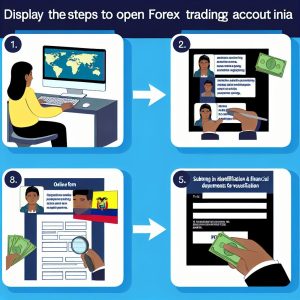
Forex trading in Bolivia operates within a broader financial and regulatory environment that may differ from larger markets. Traders often use international brokerage platforms, which introduces additional considerations such as fund transfers, currency conversion, and compliance with local financial regulations. Understanding these logistical aspects is important for smooth participation in the market.
Internet access and technological infrastructure also play a role in trading efficiency. Reliable connectivity ensures timely execution of trades and access to real-time market data. Even minor delays can impact outcomes in a fast-paced environment like Forex.
Another practical element is capital management. Beginners should approach trading with modest amounts of capital while focusing on skill development. Gradual progression allows traders to refine their strategies without exposing themselves to excessive risk. Overcommitting funds early in the learning process can lead to avoidable losses.
Time management is equally relevant. The Forex market operates continuously during weekdays, but not all trading sessions are equally active. Understanding market hours and identifying periods of higher liquidity can improve trade execution and strategy effectiveness.
Conclusion
Forex trading offers accessible opportunities for individuals in Bolivia to engage with global financial markets. However, participation requires a structured approach that prioritizes education, practical experience, and disciplined decision-making. Understanding core concepts such as currency pairs, leverage, and market influences forms the basis of effective trading.
A wide range of educational resources, including books, courses, webinars, and simulators, provides pathways for developing the necessary skills. Selecting appropriate materials and maintaining a balanced learning strategy enhances the ability to navigate the complexities of the market.
Ultimately, Forex trading is not defined by short-term outcomes but by the consistent application of knowledge and risk management over time. By investing in education and maintaining a measured approach, traders in Bolivia can build a more informed and sustainable presence in the Forex market.
This article was last updated on: March 27, 2026